Table of Contents
- Why Programmatic SEO Works
- Step 1: Understand the Foundation
- Step 2: Build Your Data Sheet
- Step 3: Create Your Template
- Step 4: Connect the Template to Your Data
- Step 5: Optimise Each Page Type
- Step 6: Publish in Batches
- Step 7: Monitor and Improve
- Real Programmatic SEO Examples
- When Should You Use Programmatic SEO?
- Why No-Code Makes Programmatic SEO Accessible
- The Benefits Include:
- Tools That Enable No-Code Programmatic SEO
- Common Mistakes to Avoid
- Future of No-Code Programmatic SEO
- Final Thoughts
Programmatic SEO has emerged as one of the quickest ways to scale organic traffic. Rather than constructing hundreds of pages individually, you create a system that generates pages automatically from structured data.
Because this approach requires precise technical architecture, many companies partner with a specialised SEO agency in India to ensure the system scales effectively without compromising quality.
For most of its existence, you needed to know how to engineer code to build your own programmatic SEO now, anybody can follow a step-by-step guide to programmatic SEO using no-code tools.
This method of programmatic SEO is often referred to as no-code SEO, as it allows marketers, small business owners, and solo builders to produce pages that are ready for search without writing a line of code!
This guide walks you through the process of implementing programmatic SEO without writing code, teaching you how to build your own library of pages and integrate the method into your general strategy.
While the approach is accessible, scaling it effectively often requires expert oversight. Many brands turn to IT Consulting & Strategy Services in India, such as Clicks Gorilla, to ensure these large-scale campaigns are technically sound and performance-ready.
Why Programmatic SEO Works
Search engines prefer pages with unique information at scale. You can achieve that via programmatic SEO with templates and dynamic datasets. By implementing the process correctly, you can generate thousands of relevant pages from a single template.
For marketers who want a simple step-by-step approach to programmatic seo, no-code tools eliminate the technical burden. This is why interest in no-code pSEO continues to grow.

Step 1: Understand the Foundation
The first step in any step-by-step guide to programmatic seo is understanding the basic structure. Programmatic SEO has three simple parts:
-
A content template This is the page design you want to replicate.
-
A structured dataset This includes items like locations, products, tips, statistics, or comparisons.
-
A generation tool This turns your data into live pages.
The beauty of no-code pSEO is that modern tools handle all the heavy lifting. You focus on the content and the strategy instead of code.
Step 2: Build Your Data Sheet
Your dataset is the engine behind your system. For example, if you are creating pages for restaurants, your sheet may include:
-
Name
-
Cuisine
-
Address
-
Price range
-
Popular dishes
-
Ratings
If you are learning how to do programmatic seo without coding, this data structure becomes your starting point. You can build it in Google Sheets, Airtable, or Notion.
Connecting your dataset to a generator platform is simple, especially for people familiar with no-code and low-code app development workflows.
Step 3: Create Your Template
Next, you design your page layout. This is where no-code platforms shine. Tools like Webflow, Softr, and Typedream help you create templates that look clean and load fast, even at scale.
Inside your template, you insert variables that link to your dataset. For example:
-
{{name}} -
{{rating}} -
{{category}}
Once the template is ready, no-code SEO platforms generate pages automatically.
Step 4: Connect the Template to Your Data
This is the step that brings everything to life. You map your data columns to the template variables. When you publish, the platform creates one page for each row in your dataset. This is where the power of a step-by-step guide to programmatic seo becomes clear. Everything becomes system-driven instead of manual.
For anyone exploring how to do programmatic seo without coding, this connection step is usually the big “aha” moment. You see exactly how automation turns simple data into search-ready content.

Step 5: Optimise Each Page Type
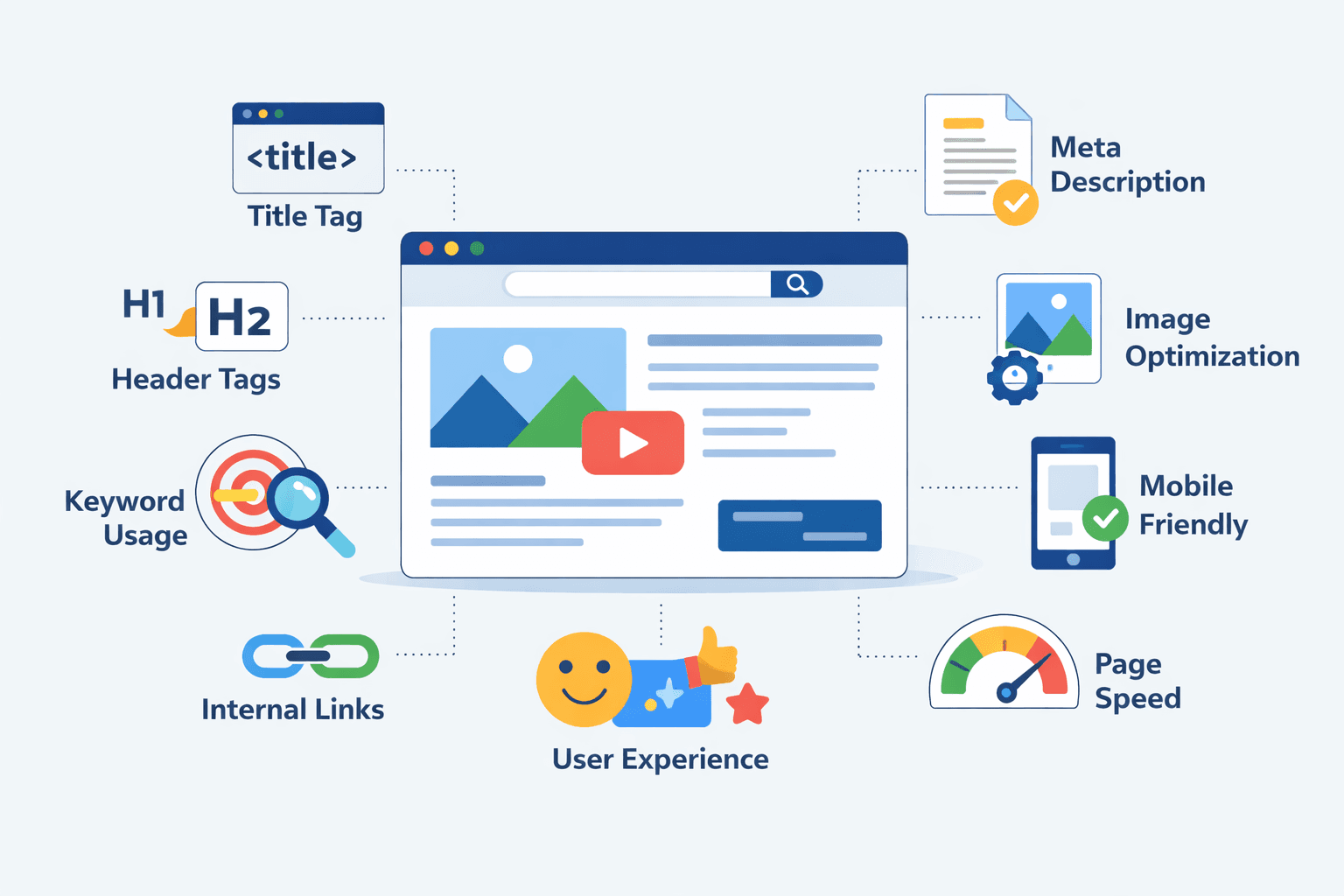
Even automated pages need optimisation. Focus on:
-
Strong titles
-
Structured subheadings
-
Internal links
-
Schema markup
-
Clean mobile layouts
A solid step-by-step guide to programmatic seo reminds you to optimise your template once, not hundreds of times. All pages update instantly.
Step 6: Publish in Batches
Do not publish thousands of pages overnight. Start with a small batch. This lets you confirm:
-
Indexing speed
-
Ranking behaviour
-
User engagement
-
Page health
Once everything looks good, publish the full set. This is one of the strategic advantages of no-code pSEO. You can scale in controlled waves.
Step 7: Monitor and Improve
Programmatic SEO thrives on continuous refinement. Track:
-
Search impressions
-
Rankings
-
Click-through rates
-
Bounce rates
If a certain page category performs better, use the insights to improve weaker templates.
This is a key part of how to do programmatic seo without coding. The system runs itself, and you adjust based on results.
Real Programmatic SEO Examples
To understand the real potential, look at live programmatic seo examples. Many comparison sites, local directories, recipe databases, and travel pages run on programmatic structures. They rely on templates and large datasets to produce thousands of high-quality pages without manual labour.
When Should You Use Programmatic SEO?
Programmatic SEO works best when:
-
You have repeatable content
-
There is structured data
-
Users search for long-tail variations
-
Your industry has broad categories
-
You want scalability
This method is popular in local search, e-commerce, SaaS features, marketplaces, and service directories.
Businesses using web development services in Dubai often ask for pSEO systems because they want rapid visibility in competitive markets.
Why No-Code Makes Programmatic SEO Accessible
Traditional pSEO required developers, backend systems, and full custom builds. With no code SEO, anyone can create structured, scalable content systems even without a technical background.
The Benefits Include:
-
No engineering budget
-
Fast setup
-
Easy edits
-
Full flexibility
-
Instant scaling
This is why following a step-by-step guide to programmatic seo is now possible for marketers, founders, and freelancers.
Tools That Enable No-Code Programmatic SEO
Here are common tools for people building no-code pSEO systems:
-
Webflow
-
Sheets or Airtable
-
Softr
-
Notion
-
Typedream
-
Whalesync
-
Make.com
-
Zapier
These tools help automate publishing, syncing, and updating at scale.
Common Mistakes to Avoid
Even when using a step-by-step guide to programmatic seo, beginners make common mistakes:
-
Publishing too many pages too quickly
-
Using thin content without unique value
-
Ignoring search intent
-
Overloading templates with generic text
-
Forgetting internal links
Avoid these pitfalls, and your system will perform far better.
Future of No-Code Programmatic SEO
The outlook is especially bright with how easy automation is becoming. More businesses are looking for scalable content engines. More platforms are adding data connectors. More marketers are learning the basics of how to do programmatic SEO without code in order to grow their reach.
Programmatic SEO as a core strategy for acquiring long tails is going to continue. With a combination of structured data, clean templates, and automation, even small teams can compete for audience with larger publishers.
Final Thoughts
Grasping the framework behind a step-by-step programmatic seo guide gives you the clarity needed to scale organic traffic quickly and without coding. The no-code tools make it simple, fast, and adaptable. Once the system starts generating pages, you can scale the content across hundreds of variations without effort.
Programmatic SEO is not simply a technical option. It is a strategic advantage. Now that no-code pSEO is widely available, anyone is able to build smart, scalable content systems.