Table of Contents
- Understanding the difference between on-page and off-page SEO is essential before diving into the process.
- 1. Keyword Research and Intent Identification
- 2. Content Relevance and Topic Coverage
- 3. Title Tag Optimisation
- 4. Meta Description Improvement
- 5. URL Structure Refinement
- 6. Header Tag Organisation
- 7. Keyword Placement in Content
- 8. Image Optimisation
- 9. Internal Linking Strategy
- 10. External Linking to Quality Sources
- 11. Content Readability Enhancements
- 12. Mobile Friendliness Check
- 13. Page Speed Optimisation
- 14. Schema Markup Integration
- 15. Canonical Tag Usage
- 16. Content Freshness Updates
- 17. Engaging Visual and Media Elements
- 18. Page Level Analytics Review
- Why This On-Page SEO Checklist Works
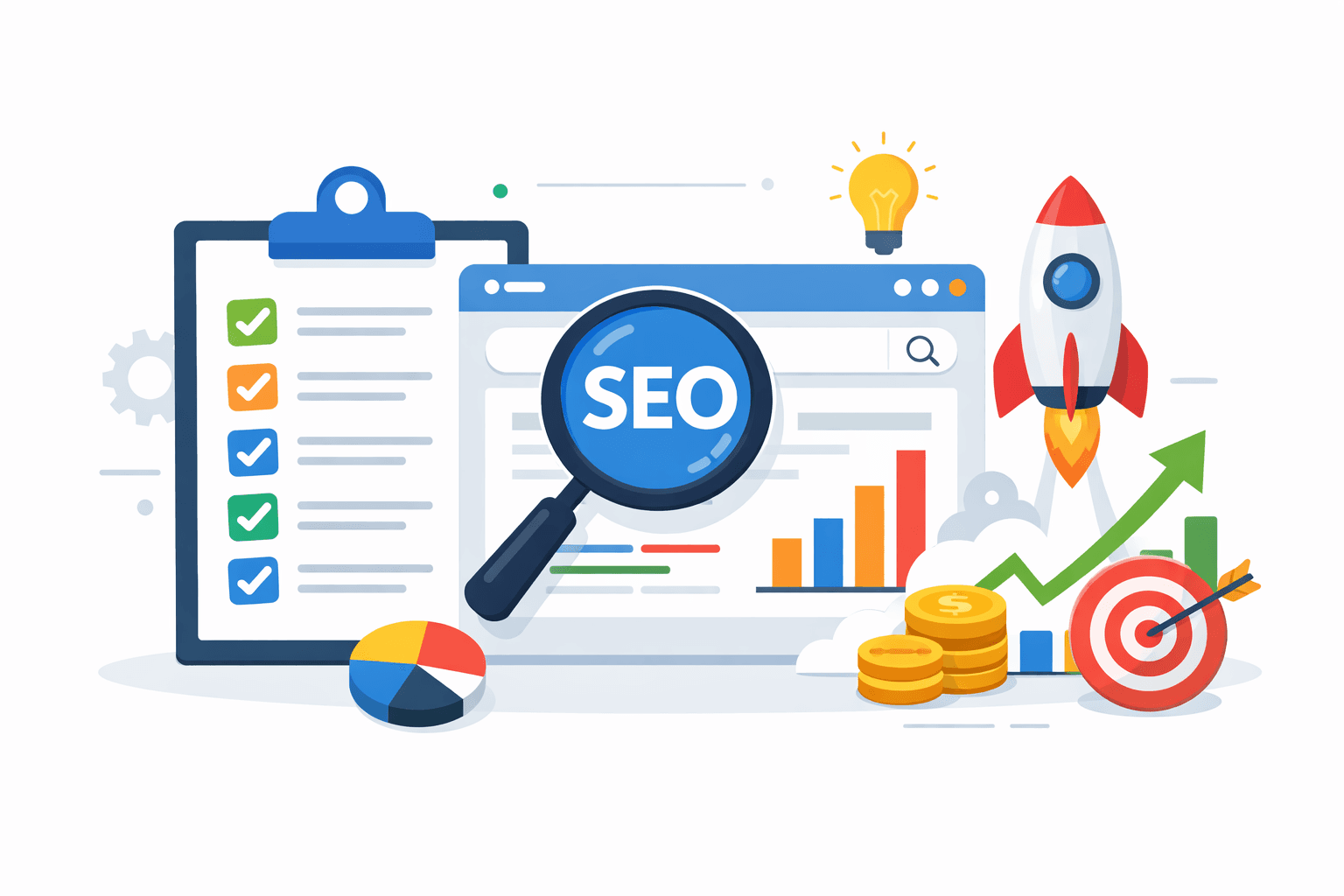
A well-structured on-page seo checklist helps you improve the visibility, relevance, and overall search performance of your website. When each element of a page is optimised properly, search engines understand your content accurately and rank it higher for user intent. Be it locally or internationally, if you have a well-built SEO strategy by a premier cybersecurity solutions company in India like Clicks Gorilla, which provides SEO services in India and beyond the Asian continent, giving you exposure not just to the Indian but also the international demographic, keeping you ahead in the game.
This structured approach brings clarity to on-page seo factors, helping businesses recognise the exact improvements needed to achieve consistent organic growth.
It also supports long-term performance for companies investing in on-page seo services, where quality execution makes the biggest difference.
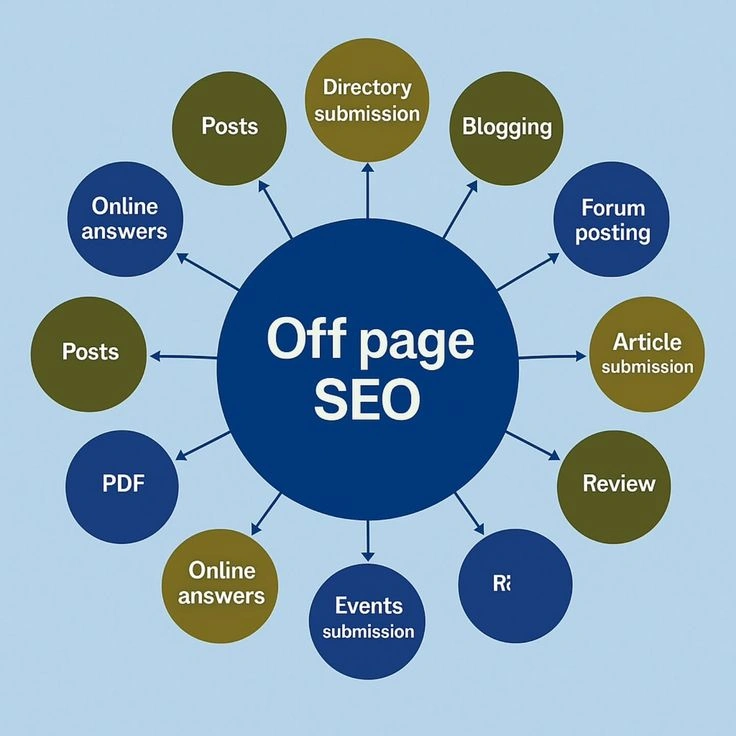
Understanding the difference between on-page and off-page SEO is essential before diving into the process.
While off-page elements focus on external authority signals, this on-page optimisation checklist deals with everything you control directly inside your website. These internal improvements shape user experience, content depth, keyword relevance, and overall technical clarity.With a reliable system, marketers can follow a step-by-step on-page seo checklist that ensures every page meets search engine standards while improving engagement for visitors.
Below is a detailed breakdown of eighteen effective on-page seo activities that strengthen rankings and create long-lasting results.
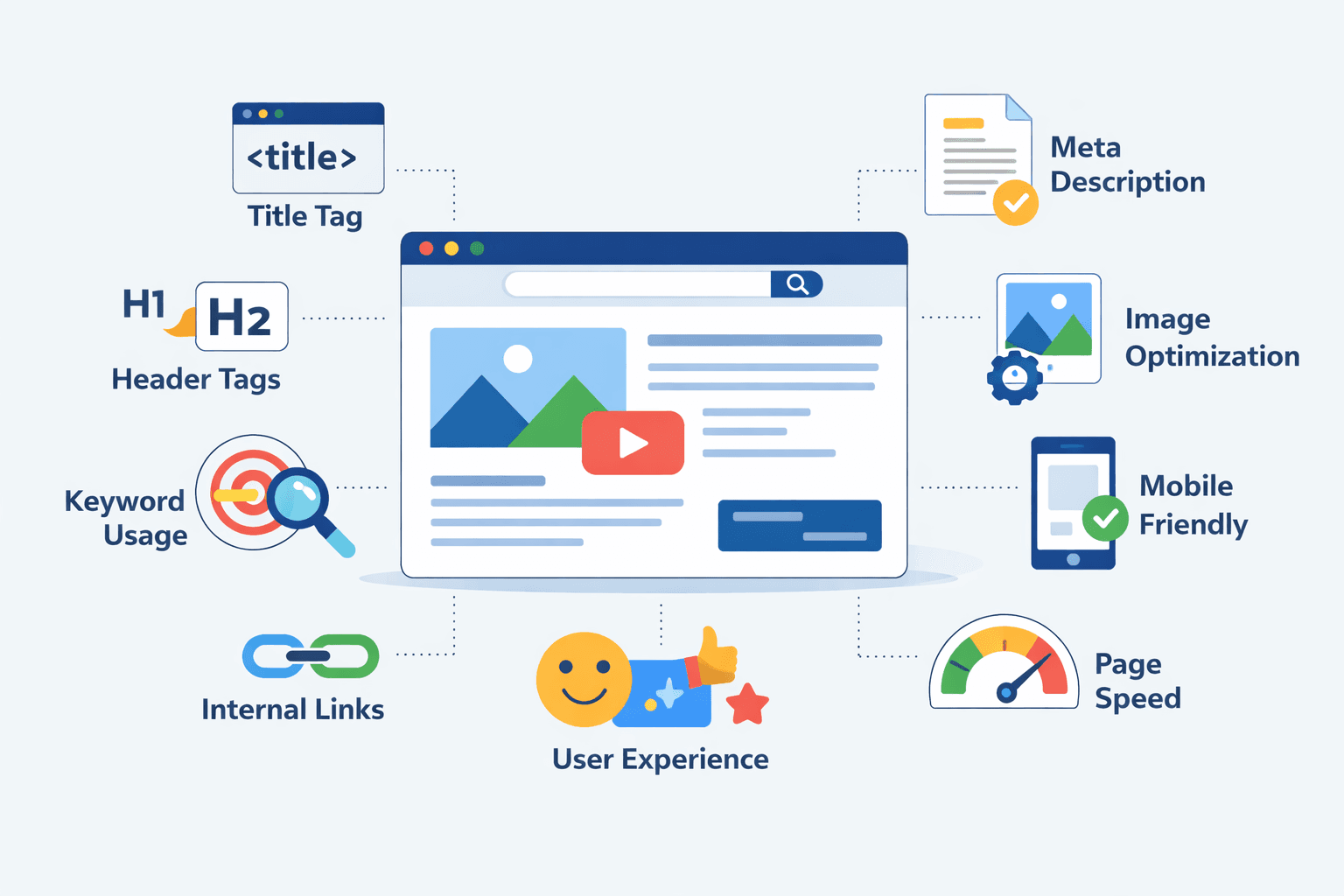
1. Keyword Research and Intent Identification
Start by identifying the primary and secondary keywords with clear search intent, as this forms the base of every well-optimised page. Understanding whether users want information, comparison, or a purchase decision allows you to shape the content precisely. Proper keyword research ensures your page aligns with real user needs and the search terms they actively use. This strategic alignment improves relevance, supports higher rankings, and ensures your content delivers value to the right audience every time.
2. Content Relevance and Topic Coverage
Ensure the content covers the topic thoroughly so the page becomes a complete and helpful resource for readers. Comprehensive coverage helps search engines understand the value you provide, making your page more relevant for user queries. High-quality explanations, examples, and supporting details strengthen topical authority. When a topic is addressed from multiple angles, users stay longer, explore more, and trust your page as a reliable source of information, which also boosts search visibility and ranking potential.
3. Title Tag Optimisation
Create a compelling and keyword-rich title that aligns perfectly with user expectations and accurately reflects the page content. A strong title not only helps search engines classify your page but also influences whether users decide to click on your result. Keeping it concise yet informative improves engagement and ensures that visitors know what to expect. A well-optimised title tag also enhances click-through rates and communicates relevance to search algorithms, improving your chances of ranking prominently.
4. Meta Description Improvement
Write a strong meta description that encourages users to click by clearly summarising the value your page offers. A well-written snippet improves search visibility and acts as a persuasive message that connects search intent with your content. Including a keyword naturally, highlighting key benefits, and maintaining readability help your listing stand out. Though meta descriptions do not directly impact ranking, they significantly influence click-through rates, which indirectly supports stronger search performance and user engagement.
5. URL Structure Refinement
Use readable and clean URLs that clearly reflect the main idea of the page, providing both users and search engines with an immediate understanding of the topic. Clear URLs improve user trust and enhance the overall navigational structure of your website. Keeping them short, descriptive, and free from unnecessary parameters ensures better indexing and easier sharing. A refined URL structure also contributes to improved ranking signals and supports the organisation of your website’s content hierarchy.
6. Header Tag Organisation
Organise H1, H2, and H3 tags properly to build a logical and easy-to-follow content flow. This structure enhances readability and helps search engines understand how important each section is within your page. Header tags also break long content into digestible parts, improving user experience and increasing engagement. A well-organised heading structure ensures clarity and assists in ranking by emphasising key topics, improving both navigation and overall comprehension of your content.
7. Keyword Placement in Content
Include the primary keyword naturally in the introduction, subheadings, and main body to signal relevance without disrupting the reading experience. Avoid forced insertion to maintain quality and ensure the content flows smoothly. Proper keyword placement helps search engines connect your page to specific queries while keeping the content useful for readers. Balancing natural language with strategic optimisation ensures the content remains engaging, professional, and aligned with modern SEO expectations for user-focused writing.
8. Image Optimisation
Add ALT text, compress images, and use relevant file formats to improve accessibility and loading speed. Proper image optimisation ensures visually engaging content does not slow down the page performance. ALT text also provides context for search engines and users who rely on screen readers, making your site more inclusive. When images load quickly and are accurately indexed, both user experience and SEO performance improve, contributing to better ranking potential and stronger content engagement.
9. Internal Linking Strategy
Link to relevant pages within your website to help users discover more helpful information and explore your content naturally. A strong internal link structure improves navigation, distributes authority across pages, and guides search engines through your site. It also boosts the ranking power of important pages by passing value from other strong pages. Effective internal linking enhances user experience, reduces bounce rate, increases time on site, and supports a more organised website structure.
10. External Linking to Quality Sources
Reference authoritative websites to add credibility and depth to your content. High-quality external links show search engines that your page is supported by trustworthy information and well-researched references. They also help users find additional resources, creating a more valuable experience. Including relevant and reputable sources strengthens your content’s authority, encourages trust, and signals to search engines that your page provides accurate and reliable information worth ranking.
11. Content Readability Enhancements
Maintain simple language, short paragraphs, and a smooth flow to ensure your content is easy to read and understand. Better readability improves engagement because users can absorb information quickly without feeling overwhelmed. Clear formatting also helps visitors stay longer on the page, which signals positive behaviour to search engines. Enhancing readability supports all audience types, strengthens communication, and ensures your content remains accessible, professional, and aligned with modern SEO and user experience expectations.
12. Mobile Friendliness Check
Every page must be responsive across devices to deliver a seamless experience for users on smartphones, tablets, and desktops. Search engines prioritise mobile experience as a key ranking signal, making mobile friendliness essential. Ensuring proper spacing, readable text, fast loading, and responsive layouts improves usability and aligns with mobile-first indexing practices. When pages function smoothly across all devices, user satisfaction increases, bounce rates drop, and overall SEO performance strengthens significantly.
13. Page Speed Optimisation
Improve loading times by compressing files, using efficient coding practices, enabling caching, and reducing server load. Faster pages increase user satisfaction and reduce bounce rates because visitors prefer quick and responsive experiences. Page speed also influences search engine rankings, making it a critical component of on-page optimisation. When your site loads efficiently, users explore more content, interact longer, and trust your website more, all of which contribute to stronger overall SEO results.
14. Schema Markup Integration
Add structured data to help search engines interpret your content more accurately and understand the meaning behind key elements. Schema markup enhances the chances of your page appearing in rich results, which improves visibility and click-through rates. It provides context that helps search engines recognise reviews, products, FAQs, articles, and other structured information. Integrating schema strengthens your page’s relevance and supports a more detailed and accurate representation in search results.
15. Canonical Tag Usage
Use canonical tags to prevent duplicate content issues by indicating the preferred version of a page. This ensures that search engines do not divide ranking signals across multiple versions of the same content. Canonicals help maintain index clarity and avoid accidental duplication that might dilute ranking strength. When implemented correctly, canonical tags support a healthy website structure, protect against SEO inconsistencies, and ensure that your most important content receives the full ranking value.
16. Content Freshness Updates
Regularly update the page with new information, relevant statistics, and improved examples to maintain accuracy and relevance. Fresh content signals to search engines that your page remains valuable and updated for users. Adding new insights improves authority and helps your content stay competitive in search results. Periodic updates also strengthen user trust by ensuring the information remains current, complete, and aligned with evolving industry trends, creating long-term ranking and engagement benefits.
17. Engaging Visual and Media Elements
Use videos, infographics, interactive graphics, and charts to increase dwell time and make the content more engaging. Rich media enhances user interaction and helps explain complex topics more clearly. Visual elements also improve content retention, allowing users to absorb information effectively. Search engines recognise strong engagement metrics, so incorporating visuals contributes to better SEO performance. When visuals support the message naturally, they enhance overall communication and create a more dynamic reading experience.
18. Page Level Analytics Review
Evaluate clicks, impressions, scroll depth, bounce rate, and conversions to understand how the page performs in real time. Analytics insights guide future improvements by identifying which areas need more clarity, stronger keywords, or better engagement elements. When you regularly analyse performance data, you can refine your content strategy and optimise weak sections to align with user behaviour. This continuous improvement cycle strengthens visibility, boosts ranking potential, and supports long-term SEO growth.
Why This On-Page SEO Checklist Works
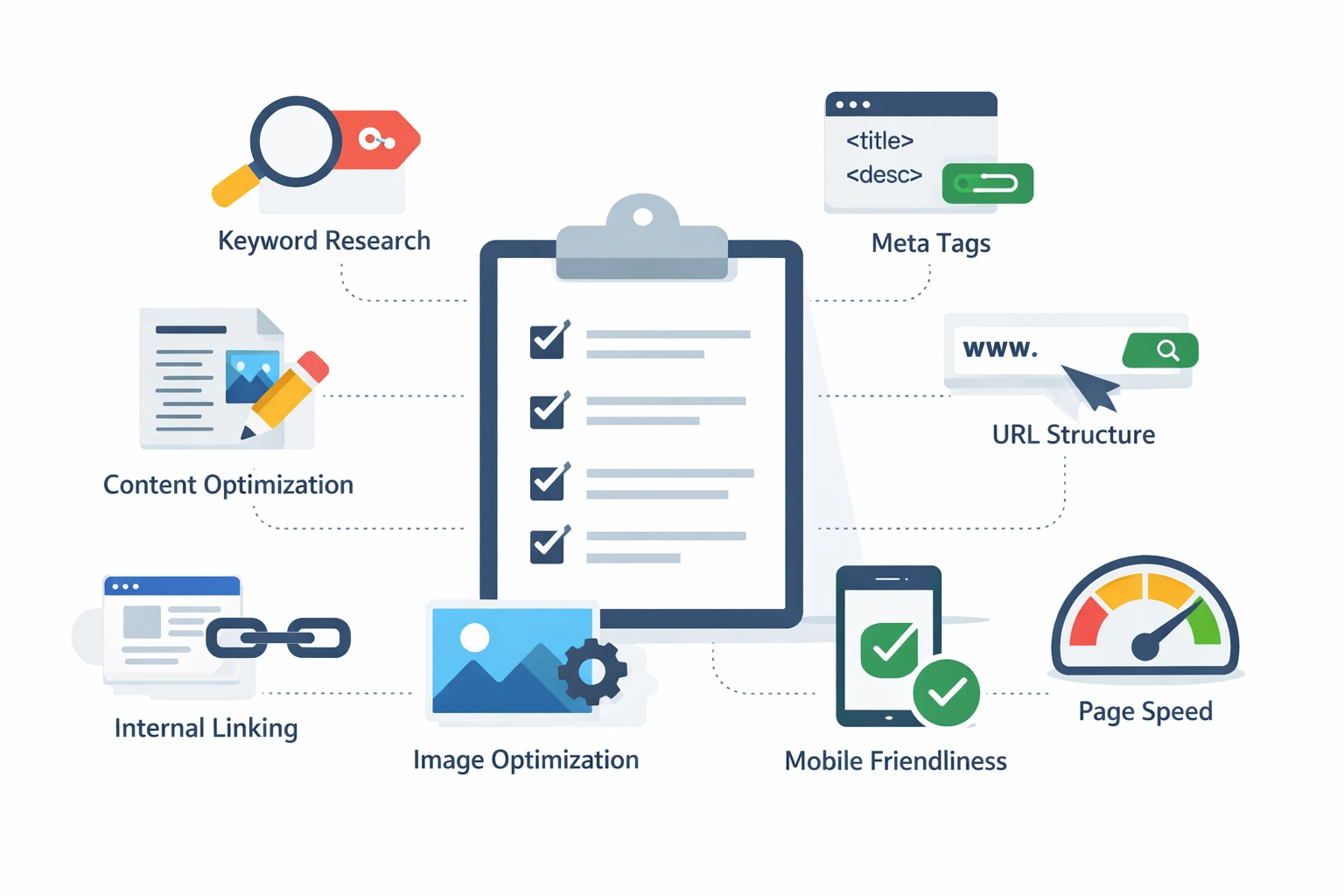
Following a detailed and structured on-page seo checklist ensures that every part of your content aligns with user intent and search engine guidelines. It strengthens the core on-page seo factors that influence ranking, from keyword placement to user experience.
A step-by-step on-page seo checklist also makes it easier for businesses to train teams, measure progress, and maintain consistent quality across all landing pages.
For companies investing in on-page seo services, this on-page optimisation checklist helps streamline operations and ensure clear accountability. When paired with a strong understanding of On Page vs Off Page SEO, the result is a powerful and balanced strategy that boosts visibility, engagement, and long-term search performance.