Table of Contents
- Understanding Local SEO
- Understanding International SEO
- Key Differences Between Local and International
- Target Audience and Geographic Focus
- Keyword Strategy and Research
- Content Creation and Localization
- Link Building Approaches
- Local SEO vs Global SEO: The Scope Comparison
- When Your Business Needs Local SEO
- When Your Business Needs International SEO
- Benefits of International SEO
- Benefits of Local SEO
- International SEO Mistakes to Avoid
- International SEO Checklist {#seo-checklist}
- Pre-Launch Research
- Technical Implementation
- Content and Localization
- Ongoing Optimization
- Making the Right Choice for Your Business
- Conclusion
In today's digital landscape, businesses face a critical decision that can significantly impact their online success: should they focus on Local SEO vs International SEO? This choice isn't just about geography,it's about understanding your target audience, business goals, and growth strategy. Whether you're a local restaurant looking to attract nearby customers or a SaaS company aiming for global domination, choosing the right SEO approach can make or break your digital marketing efforts.
The difference between local and international SEO goes far beyond simply targeting different locations. It involves distinct strategies, keyword approaches, content creation methods, and technical implementations. Understanding these differences is crucial for making an informed decision that aligns with your business objectives and maximizes your return on investment.
Understanding Local SEO
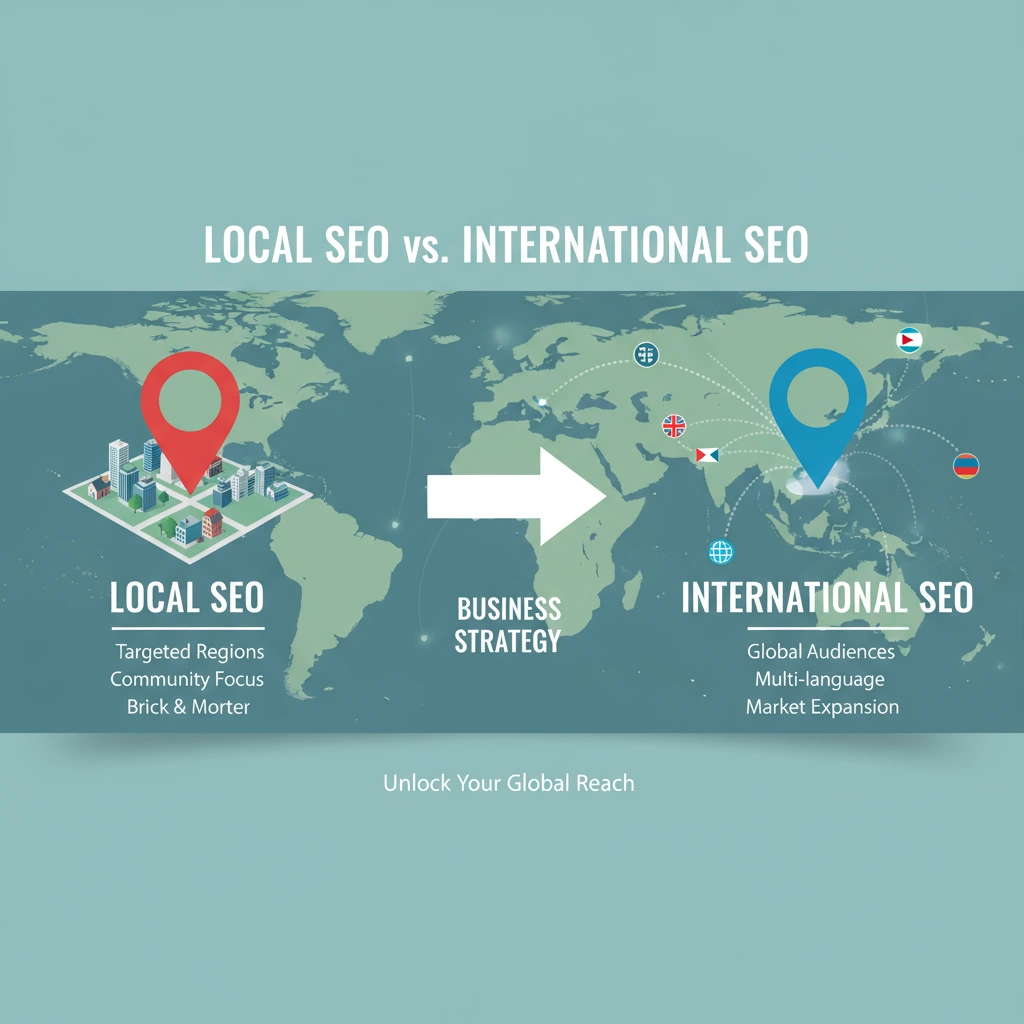
Local SEO Services in India is a specialized branch of search engine optimization that focuses on improving a business's visibility in location-based searches. When someone searches for "best pizza near me" or "dentist in Chicago," local SEO ensures your business appears in those results if you're relevant to the query.
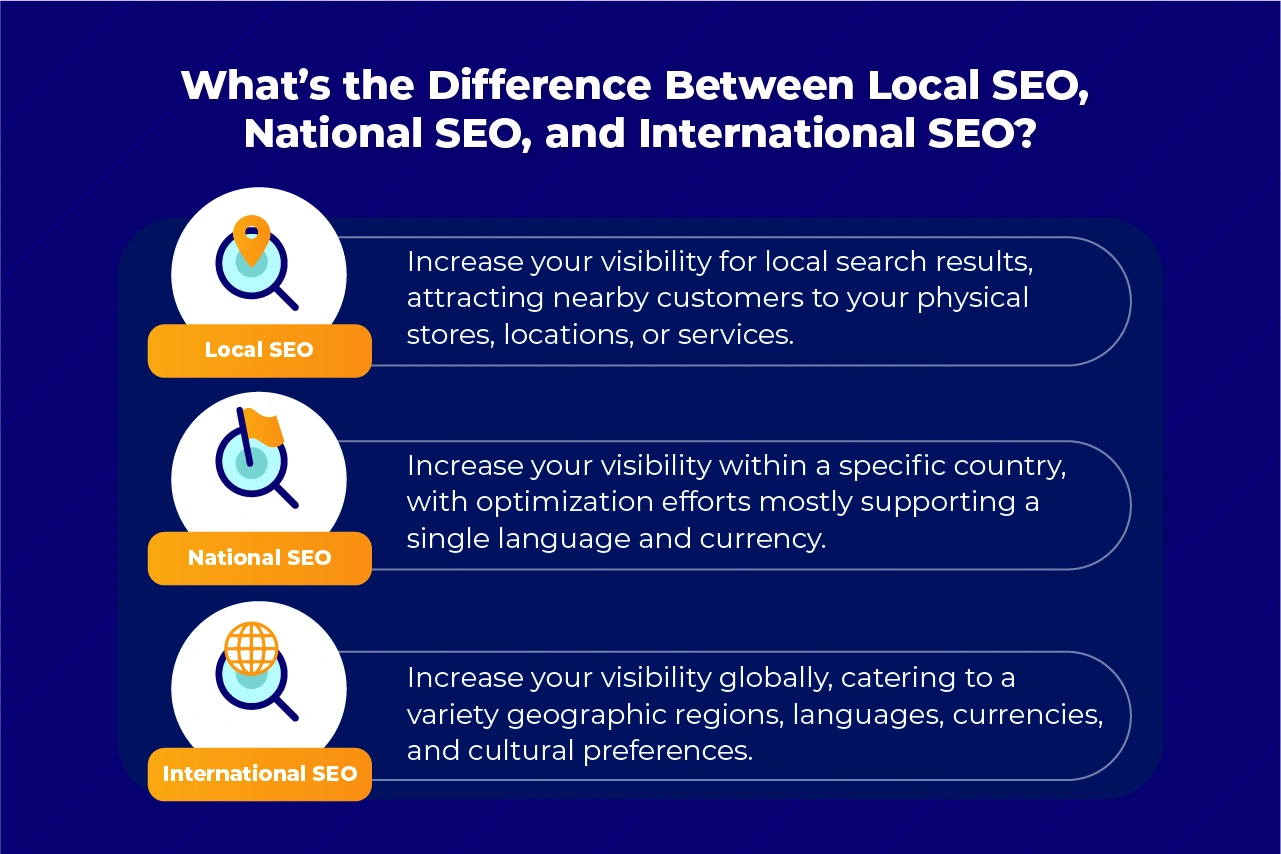
Local SEO and international SEO serve fundamentally different purposes. Local SEO targets customers within a specific geographic area, typically within a city, region, or driving distance from a physical location. This strategy is essential for businesses with brick-and-mortar locations, service areas, or those serving local communities.
The core components of local SEO include:
-
Google Business Profile optimization: This is your digital storefront on Google, showing crucial information like hours, location, and customer reviews
-
Local keyword targeting: Using phrases like "Los Angeles marketing agency" or "Portland coffee shops"
-
Citation building: Ensuring consistent NAP (Name, Address, Phone) information across local directories
-
Local link building: Acquiring backlinks from local organizations, chambers of commerce, and community websites
-
Review management: Encouraging and managing customer reviews on platforms like Google, Yelp, and industry-specific sites
Local SEO typically delivers faster results and requires less investment than international strategies. Businesses often see improvements in local rankings within 3-6 months of implementing a comprehensive local SEO strategy.
Understanding International SEO
International SEO Services is the process of optimizing your website to rank in multiple countries and languages, targeting a global audience rather than a local one. Unlike local SEO, which focuses on geographic proximity, international SEO aims to capture market share across borders and cultural boundaries.
The international seo vs global seo distinction is subtle but important. While these terms are often used interchangeably, international SEO typically focuses on specific countries or regions, while global SEO encompasses a truly worldwide approach targeting all possible markets.
Key elements of international SEO include:
-
Hreflang implementation: Technical tags that tell search engines which language and country version to show users
-
Multilingual content creation: Developing content in multiple languages that resonates with local cultures
-
International keyword research: Understanding how people search in different languages and regions
-
Global link building: Acquiring backlinks from authoritative international domains
-
Technical infrastructure: Implementing proper URL structures, CDNs, and server locations for optimal performance
International SEO requires significant resources, expertise, and time investment. However, the potential rewards include massive market expansion and revenue growth from new geographical markets.
Key Differences Between Local and International
The comparison between local seo and international seo reveals several fundamental differences that affect strategy, implementation, and outcomes:
Target Audience and Geographic Focus
Local SEO targets customers within a specific geographic boundary. A local plumbing company in Miami focuses on residents and businesses within their service area, typically within a 25-50 mile radius. The audience is geographically concentrated and shares similar cultural contexts, making messaging and positioning more straightforward.
International SEO targets multiple countries and diverse audiences simultaneously. A software company using international SEO might target customers in the United States, Germany, Japan, and Brazil,each with different languages, cultures, search behaviors, and purchasing patterns.
Keyword Strategy and Research
Local SEO employs geo-specific keywords that include location modifiers. Examples include "wedding photographer Boston," "HVAC repair Phoenix," or "Italian restaurant downtown Seattle." These keywords typically have lower search volume but higher conversion rates due to their specific intent.
International SEO requires extensive keyword research across multiple languages and regions. A single product might be searched for differently in various countries. For example, "apartment" in the US becomes "flat" in the UK, and cultural nuances affect how people describe products and services.
Content Creation and Localization
Local SEO content focuses on local events, community involvement, regional news, and location-specific information. A local business might create content about neighborhood events, local partnerships, or region-specific tips and advice.
International SEO demands comprehensive content localization, going beyond simple translation to cultural adaptation. Content must consider local customs, regulations, purchasing behaviors, and cultural sensitivities. Colors, images, testimonials, and even product features may need adjustment for different markets.
Link Building Approaches
Local SEO prioritizes links from local directories, community organizations, local media outlets, and regional businesses. The geographic relevance of linking domains is crucial for local authority building.
International SEO focuses on acquiring links from high-authority international domains, global publications, and region-specific authoritative sites in target markets. The strategy is broader but requires understanding of international link opportunities and outreach in multiple languages.
Local SEO vs Global SEO: The Scope Comparison
Understanding local seo vs global seo helps clarify the scope and ambition of each approach:
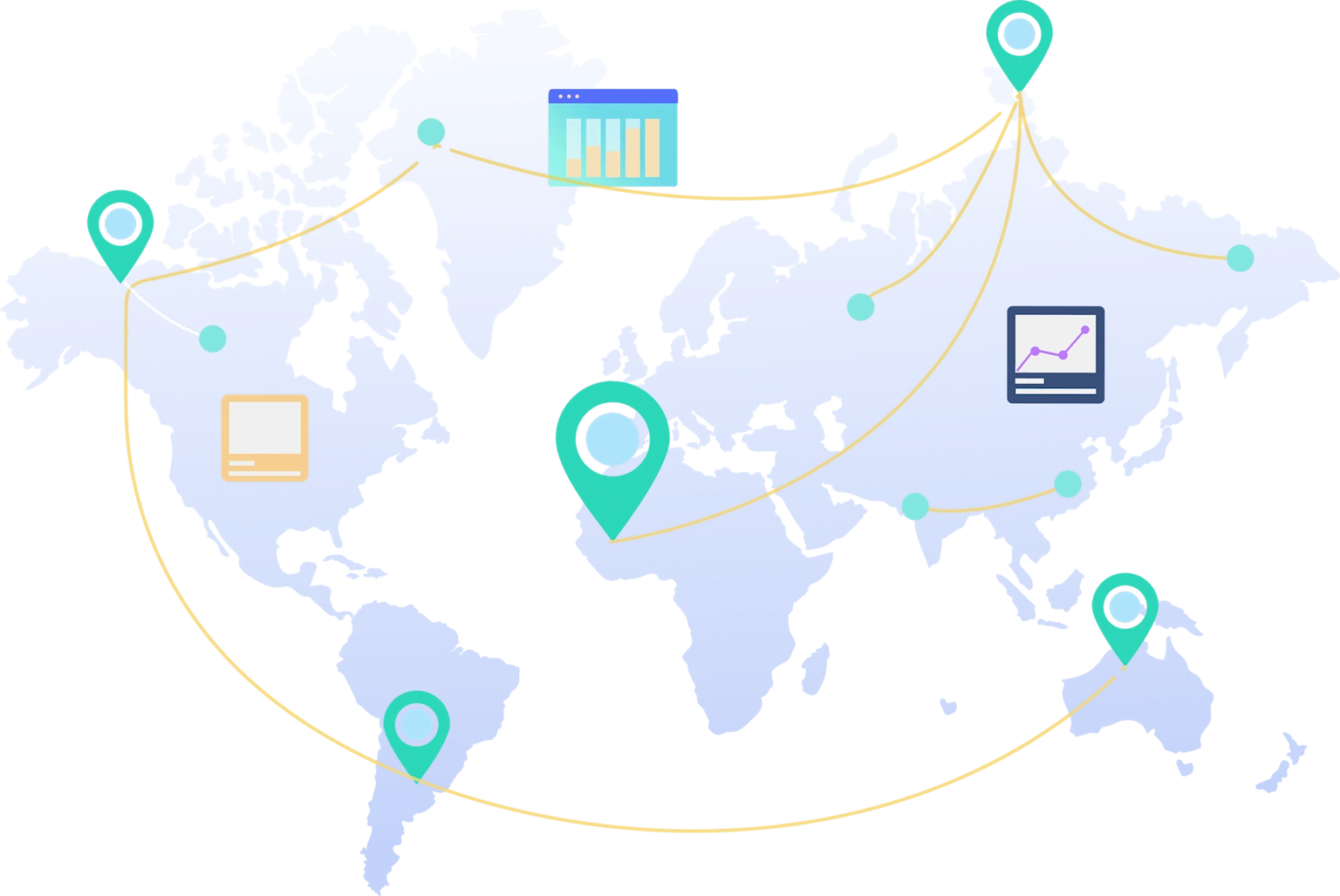
Local SEO operates within defined geographical boundaries. Success is measured by visibility in local search results, foot traffic to physical locations, phone calls from nearby customers, and local market share. The scope is intentionally limited but highly focused.
Global SEO encompasses the entire world as its target market. Success metrics include international traffic growth, global brand recognition, revenue from multiple countries, and market penetration across continents. The scope is unlimited but requires substantial resources and expertise.
The choice between these approaches often depends on business model, resources, and growth ambitions. Many successful businesses start with local SEO to establish a strong foundation, then gradually expand to international markets as they grow.
When Your Business Needs Local SEO
Local SEO is the right choice for businesses in several scenarios:
Physical Locations and Service Areas: Businesses with physical storefronts, offices, or defined service areas benefit most from local SEO. This includes restaurants, retail stores, medical practices, law firms, home service providers, and any business where customers visit a physical location or receive in-person services.
Limited Geographic Market: If your business model naturally limits you to a specific geographic area due to logistics, regulations, or economics, local SEO maximizes your impact within those boundaries. Examples include local delivery services, regional contractors, or businesses licensed to operate only in specific states or regions.
Budget and Resource Constraints: Local SEO typically requires less investment and delivers faster results than international strategies. Small businesses with limited marketing budgets can achieve significant ROI by dominating their local market before considering expansion.
Community-Focused Businesses: Organizations deeply embedded in their communities,such as nonprofits, local banks, community centers, or regional service providers,benefit from local SEO's community-building aspects and local relationship development.
When Your Business Needs International SEO
International SEO becomes essential in specific business contexts:
Scalable Business Models: Businesses with easily scalable offerings,such as online courses, digital marketing agencies, SaaS platforms, or consulting services,can leverage international SEO to multiply their market size exponentially.
Competitive Local Markets: In highly saturated local markets, expanding internationally might offer better growth opportunities than competing intensely in a limited geographic area. This strategy can diversify revenue sources and reduce dependence on single-market conditions.
Resource Availability: International SEO requires significant investment in content creation, technical implementation, cultural research, and ongoing optimization. Businesses with substantial marketing budgets and dedicated teams can pursue international expansion more effectively.
Benefits of International SEO
The benefits of international seo extend far beyond simple traffic increases:
Massive Market Expansion: International SEO opens access to billions of potential customers worldwide. A business limited to the US market of 330 million people can potentially reach the global internet population of over 5 billion users.
Revenue Diversification: Multiple international markets provide revenue stability and growth opportunities. Economic downturns, seasonal variations, or market-specific challenges in one region can be offset by performance in other markets.
Competitive Advantage: Early entry into international markets can establish competitive advantages and brand recognition before competitors expand globally. First-mover advantages in international SEO can create lasting benefits.
Long-term Growth Potential: International SEO vs. Asian SEO or other regional approaches demonstrates the scalability of international strategies. Once systems and processes are established for one international market, expansion to additional markets becomes more efficient and cost-effective.
Benefits of Local SEO
Local SEO provides distinct advantages for location-based businesses:
Higher Conversion Rates: Local searches typically indicate high purchase intent. Someone searching for "emergency plumber near me" is likely ready to hire immediately, resulting in higher conversion rates than broader, informational searches.
Cost-Effective Marketing: Local SEO often provides better ROI for small businesses than broader marketing approaches. Competing in a local market requires less investment than competing nationally or internationally.
Community Relationships: Local SEO strategies often involve community engagement, local partnerships, and relationship building that extends beyond pure marketing to genuine business development.
Faster Results: Local SEO typically shows results faster than international strategies. Local markets are smaller, less competitive, and require less complex implementation.
International SEO Mistakes to Avoid
Common international seo mistakes can derail global expansion efforts:
Inadequate Market Research: Expanding internationally without thoroughly researching target markets leads to cultural missteps, inappropriate messaging, and failed campaigns. Each market requires individual research and strategy development.
Direct Translation Instead of Localization: Simply translating content without cultural adaptation misses opportunities to connect with local audiences. True localization considers cultural context, local preferences, and market-specific needs.
Incorrect Technical Implementation: Improper hreflang implementation, wrong URL structures, or poor site architecture can confuse search engines and hurt rankings across all markets. Technical mistakes in international SEO have amplified consequences.
Ignoring Local Competition: Failing to analyze local competitors in each target market results in ineffective strategies. International businesses must understand and compete against established local players in each market.
Inadequate Link Building Strategy: International link building requires understanding local link opportunities, building relationships with foreign websites, and creating region-specific outreach campaigns. Generic link building approaches often fail internationally.
International SEO Checklist {#seo-checklist}
A comprehensive international seo checklist ensures systematic expansion:
Pre-Launch Research
-
Define target markets and languages
-
Conduct market research for each region
-
Analyze local competitors and search behavior
-
Research cultural preferences and taboos
-
Identify local regulations and compliance requirements
Technical Implementation
-
Choose appropriate URL structure (ccTLD, subdomain, or subdirectory)
-
Implement hreflang tags correctly
-
Set up international Google Analytics and Search Console properties
-
Configure CDN for optimal international performance
-
Ensure mobile-friendliness across all markets
Content and Localization
-
Develop localized content for each market
-
Adapt images, colors, and design elements culturally
-
Localize calls-to-action and conversion elements
-
Create region-specific landing pages
-
Implement local currency and payment options
Ongoing Optimization
-
Monitor international keyword rankings
-
Track local search performance metrics
-
Build relationships with international websites
-
Collect and manage international reviews
-
Continuously optimize based on local market feedback
Making the Right Choice for Your Business
The decision between Local SEO vs International SEO ultimately depends on your specific business context, goals, and resources. Consider these factors:
Business Model Assessment: Evaluate whether your products or services can realistically serve international customers. Physical goods require shipping capabilities, services need language support, and digital products must consider international payment processing.
Resource Evaluation: Honestly assess your team's capabilities, budget constraints, and time availability. International SEO requires sustained investment and specialized expertise that may not be feasible for all businesses.
Market Opportunity Analysis: Research both local and international opportunities for your industry. Sometimes, local markets offer better growth potential with less competition than international expansion.
Hybrid Approach Consideration: Many businesses benefit from a combined approach: establishing strong local SEO foundations while gradually expanding internationally. This strategy provides stability while pursuing growth opportunities.
Conclusion
The choice between Local SEO vs International SEO isn't always binary. Understanding the difference between local and international SEO helps businesses make informed decisions about their digital marketing strategy. Local SEO offers focused, cost-effective growth within defined geographic boundaries, while international SEO opens global markets with higher complexity and investment requirements.
For businesses with physical locations or geographically limited services, local SEO provides the fastest path to relevant traffic and conversions. Companies with scalable digital offerings and sufficient resources can leverage international SEO for massive market expansion and revenue diversification.