Table of Contents
- Why Websites Experience First Input Delay
- How to Improve First Input Delay Effectively
- Key Techniques to Improve FID
- How to Improve Max Potential First Input Delay
- The Role of Content Optimisation in FID Improvement
- Preventing Future FID Problems Through Smart Design
- Quick Wins for Better FID Performance
- How FID Affects SEO and User Engagement
- Conclusion
These days, a fluid and responsive browsing experience has become a necessity. Users expect instantaneous interactions the moment they click a button, tap a menu, or enter information. When the site is slow to respond, frustration builds immediately. This is where FID and its relevance come to light.
FID's full form is an acronym of First Input Delay. It is a metric that aims to quantify the responsiveness of a website upon the user's very first input. This could be clicking a link, tapping a button, or selecting a field on a form. Ensuring these interactions are seamless often requires technical infrastructure that is secure and optimised, a standard upheld by top firms like Clicks Gorilla, a Cybersecurity Solutions Company in India. Agencies also emphasise that reducing this delay is critical for retaining user attention and improving conversion rates.
If the website is actively engaged in processing JavaScript execution, it is unable to respond fluidly. The moment of engagement creates a visible delay that detracts from the user's satisfaction. The goal of improving first input delay is not just speed.
It is around the improvements in usability and stability to provide the user with an initial feeling of control. When the user feels they are able to engage immediately with the information on the site, the belief that they can be productive and perform will be built.
What Is First Input Delay and Why Does It Matter
To optimise performance, you need to know what fid is. First Input Delay only measures the gap in time from when the user engages for the first time until the browser can respond. It does not take into account any rendering time or graphic loading.
First Input Delay better captures the experience of interactivity for a user. A page may look fully loaded; however, it may not respond because it is dealing with large JavaScript files or a variety of events blocking the main thread.
Failing to optimise FID will have a detrimental effect on the overall performance. Those considering FID and first input delay SEO will be impacted most, as interactivity is an important ranking feature considered by search engines.
When a page engages but has a lag time in its response timeframe, users may become frustrated and label the experience low quality, which can create high bounce rates and damage continued engagement depth. Knowing the full form of fld and what it represents will also help developers and marketers strategise to improve the optimisation experience.
Google has stated that it expects an FID preference of less than 100 milliseconds for the best experience for users. Any amount of time longer than that suggests that scripts or tasks are preventing adequate interactivity and gaining unwanted friction, which is why knowing how to improve first input delay is so important for site owners.

Why Websites Experience First Input Delay
Most FID problems occur because the main thread is busy. This is where heavy tasks or blocking code prevent the browser from responding quickly. The third-party scripts' impact on FID is one of the biggest causes of poor responsiveness.
Advertising scripts, social media widgets, analytics trackers, and pop-up tools often add a significant load to the page. When these run at the same time, they introduce a measurable delay that users immediately feel.
Other causes include large JavaScript bundles, rendering tasks that take too long, and inefficient event handling. Many websites are visually appealing but perform poorly because of delayed interactivity. Learning what is fid helps teams identify these bottlenecks.
How to Improve First Input Delay Effectively
Improving the responsiveness of your site begins with reducing the tasks that block the main thread. Here is how to reduce the first input delay and create a smoother user experience.
Key Techniques to Improve FID
- Break up long JavaScript tasks into smaller, manageable blocks to reduce main thread blocking
- Remove unnecessary third-party scripts and optimise the ones that must remain
- Use efficient coding practices that allow faster event handling and immediate responsivenes.
Applying these techniques significantly reduces delay and strengthens your Core Web Vitals performance. Once you understand fid, you can see why these enhancements are necessary.
How to Improve Max Potential First Input Delay
The next phase consists of determining ways to enhance the maximum potential first input delay, a measurement of the worst-case scenario for user interaction. This metric explains the longest possible delay that can occur before the page loads completely. Improvement comes from the continual optimisation and restructuring of JavaScript execution.
One way to improve performance is to break down large scripts into asynchronous blocks of loading that will reduce the page load strain. You can achieve some substantial improvement by loading prioritised scripts and deferring non-critical scripts. Ultimately, learning how to improve the maximum potential first input delay means you have a clearer understanding of which performance bottlenecks are affecting the user experience.
The Role of Content Optimisation in FID Improvement
Although FID is primarily a technical metric, it connects strongly with layout design and content hierarchy. Cleaner design reduces the amount of work the browser needs to do during the initial interaction. Strategic content optimisation reduces visual clutter and enhances rendering flow, which improves responsiveness.
Graphics that depend on heavy scripts or animations can slow down interaction. Organising content in a lightweight and structured format supports better speed and reduces delay. When designers and developers work together, the first interaction becomes noticeably smoother.
Tools designed for improving performance make the process easier. Modern content optimisation tools help you track interaction delays and inspect load behaviour. These tools highlight the exact tasks blocking interactivity, allowing precise adjustments. Combining technical audits with content optimisation software ensures your website remains efficient even as content grows.
Preventing Future FID Problems Through Smart Design
Design choices affect the speed of a website's interaction. If large scripts load at the top of a page or load multiple widgets together, the page is more likely to have slow load times. A better method is to structure the documentation so that relevant content loads first, creating less delay and improving the first input delay.
Caching ensures users see relevant-facing elements immediately while secondary features load later. This approach reflects Google’s principles in improving interactivity and maintaining a good user experience. Now that you know what FID is, you can address it early and build faster pages from the start.
Quick Wins for Better FID Performance
- Replace heavy frameworks with lightweight alternatives that improve main thread performance
- Preload key interactions to reduce response time and enhance user engagement
These techniques reduce delay and create an environment where the browser can respond instantly to user actions.
How FID Affects SEO and User Engagement
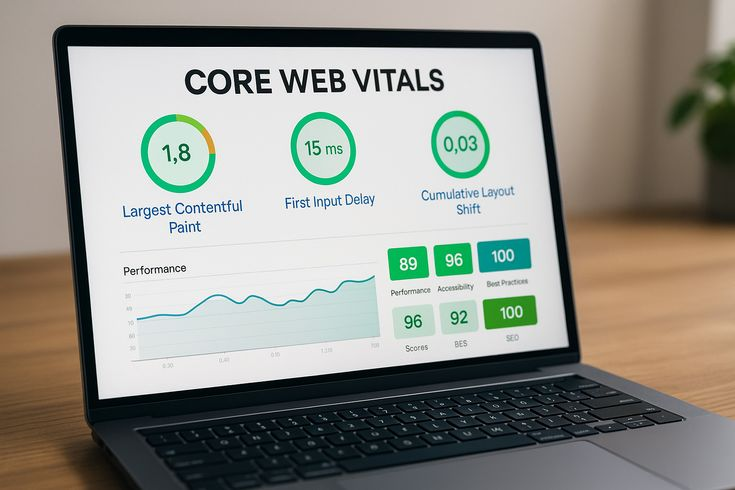
The influence of first input delay on SEO goes beyond technical scoring. When a page responds quickly, users feel more confident exploring deeper content. They click more buttons, scroll further, and remain on the site longer. These behaviours tell search engines that your page delivers a high-quality experience.
Understanding fid helps you connect performance with real business results. Fast interactivity drives higher conversions, stronger brand trust, and better long-term visibility. The first input delay SEO impact is significant because Google rewards responsive pages that users enjoy. As competition grows, mastering first input delay becomes a core strategy for digital success.
Conclusion
Optimising first input delay is essential for creating smooth, interactive, and user-friendly websites. Whether you are improving initial responsiveness or learning how to improve the maximum potential first input delay, the goal remains the same. Users should be able to click, tap, and interact instantly.
Knowing and understanding what a fid is, and addressing the causes of delay, helps you build a more efficient and search-friendly website.
Reducing blocking tasks, optimising scripts, refining content structure, and using performance tools all contribute to better interactivity. With the right combination of techniques, supported by smart content optimisation, modern content optimisation tools, and reliable content optimisation software, your website can achieve exceptional responsiveness.
As search engines continue to focus on real-world performance, improving FID becomes one of the most important ways to strengthen user engagement and SEO effectiveness.