Table of Contents
- Why Automation Becomes the Centre of SEO in 2026
- Understanding How AI Agents Work
- Why Companies Want to Automate SEO Tasks
- 1. Human teams cannot keep up with constant algorithm changes
- 2. Repetitive tasks cost time
- 3. Accuracy improves
- 4. Costs drop
- 5. Competitors are already doing it
- How to Automate SEO with AI in 2026
- 1. Keyword Research
- 2. On Page Optimisation
- 3. Technical SEO
- 4. Content Creation and Updating
- 5. Internal Linking
- 6. Rank Tracking and Alerts
- 7. Competitor Analysis
- Why AI Agents Give Teams an Advantage
- 1. Scale
- 2. Consistency
- 3. Speed
- The Growing Role of AI in Global Marketing
- Why AI Agents Give Teams an Advantage
- Addressing Big Questions in 2026
- The Tools Powering This New Era
- A Further Look at AI-Powered Workflows
- Why 2026 Is the Tipping Point
- Final Thoughts
The landscape of search is shifting rapidly. We have moved beyond simple AI assistance; 2026 is witnessing full operational capability, where technology does not just assist but automates SEO tasks, optimises workflows, and eliminates slow manual procedures. The birth of AI agents is not a trivial upgrade; it represents a literal rebirth of how digital teams approach SEO.
Companies today demand speed, consistency, and intelligent execution. This is where Agentic Automation kicks in. Brands are no longer just learning; they are deploying agents to mitigate human limitations. Repetitive tasks that were once handled with mediocre efficiency are now fully under the control of AI agents that work nonstop, continuously improve, and adapt to ranking movements in real-time.
This article discusses how full automation defines the 2026 landscape and how businesses can leverage this shift globally. For instance, a web design agency in London might deploy agents to autonomously test and adjust UI for engagement, while an AI Automation Agency in India focuses on high-volume technical optimisation and link management. Navigating this complex ecosystem requires expert partners, which is why Clicks Gorilla is helping businesses deploy these autonomous workforces to secure lasting ranking benefits.
Why Automation Becomes the Centre of SEO in 2026
Faster and smarter search engines are radically changing. They send signals that are not easily trackable by humans. And to respond, SEO teams rely on technology to do way more than just gather information. It is something that thinks, compares, analyses, and acts.
The businesses have now moved from shortcuts to full-scale systems capable of automation from end to end in seo tasks. Technical audits, content planning, internal linking, competitor analysis, and the ability to react instantly when rankings change. The jump from benign tools to AI agents is a real stretch because agents perform automated seo work without waiting for instructions.
Instead of logging into dozens of dashboards, teams now have agents working in the background that monitor performance changes and take corrective actions automatically. This change marks an inflexion point in the automation within digital marketing because SEO has become more than a tick-in-the-boxes. It has become and is a self-improving, ongoing process.
Understanding How AI Agents Work
An AI agent is more than a chatbot. It is a system trained to think and act within your goals. It understands tasks, evaluates context, and executes decisions in the correct sequence. When used to automate seo tasks with an AI agent, it takes over the work that drains most of your time.
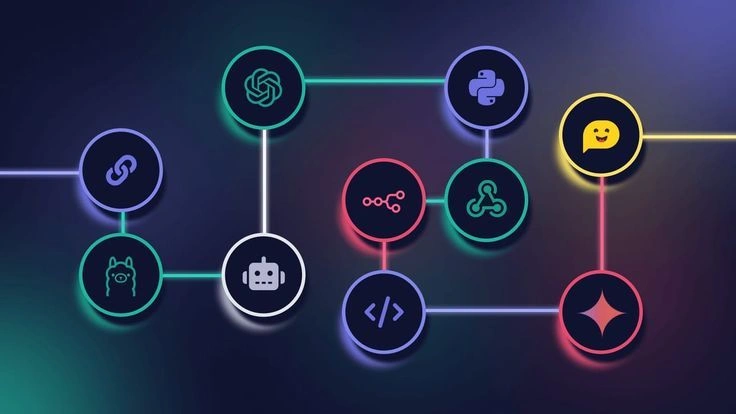
AI agents can:
Crawl your entire site and find technical issues
Map internal linking structures
Identify content gaps and opportunities
Analyse search intent
Build topic clusters
Update old content
Suggest keywords
Monitor traffic and send alerts
Track competitor changes
Rewrite weak sections
Measure ranking shifts and react instantly
These capabilities allow businesses to adopt the mindset of full automation. In 2026, the Role of AI Agents in SEO becomes unavoidable because they offer both speed and precision.
Why Companies Want to Automate SEO Tasks
There are several reasons why brands are shifting to automation:
1. Human teams cannot keep up with constant algorithm changes
Search engines evolve faster than any team can track manually. Ranking signals shift, new SERP features appear, and guidelines adjust without warning. An AI agent monitors these movements in real time and reacts before the impact becomes noticeable. This gives businesses a steady advantage, because they avoid downtime and protect rankings while competitors scramble to understand what changed.
2. Repetitive tasks cost time
SEO involves hours of routine work. Keyword clustering, link audits, content scoring, and page-level optimisation drain resources when done manually. These tasks still matter, but they slow teams down. Automation handles them instantly, removing the bottlenecks that keep teams from focusing on strategy, creativity, and revenue-generating actions. With automated support, SEO teams achieve more without working longer.
3. Accuracy improves
Humans rely on intuition, but SEO relies on data. AI studies patterns across millions of pages and signals, which leads to smarter decisions. It identifies hidden gaps, highlights underperforming sections, and shows exactly where your content falls short. This level of precision helps websites grow faster because every move is based on evidence. Consistent accuracy also leads to stronger long-term ranking stability.
4. Costs drop
When most of the workload shifts to automation, operational costs fall naturally. Teams spend less time fixing small issues and more time planning content, testing approaches, and improving user experience. Automation reduces dependence on large teams, expensive audits, and repeated manual reviews. This gives businesses a more efficient SEO system that supports growth without stretching the budget.
5. Competitors are already doing it
The SEO landscape is competitive. Many brands have already adopted tools that handle automated SEO tasks. This means the companies that resist automation fall behind fast. The conversation has moved past whether automation is useful. The real question is how quickly a business can implement it. The faster they adopt automation, the easier it becomes to stay ahead of rivals.
How to Automate SEO with AI in 2026
More teams want practical steps on how to automate SEO, so here are the workflows that AI agents fully handle today:
1. Keyword Research
AI reviews search behaviour, competitor trends, seasonality, and user intent. It groups keywords into clusters, assigns difficulty levels, and builds complete outlines for writers. It also suggests queries you may have missed. This turns keyword research from a long, manual task into a fast, structured workflow that supports content teams and gives them clarity on what to publish next.
2. On Page Optimisation
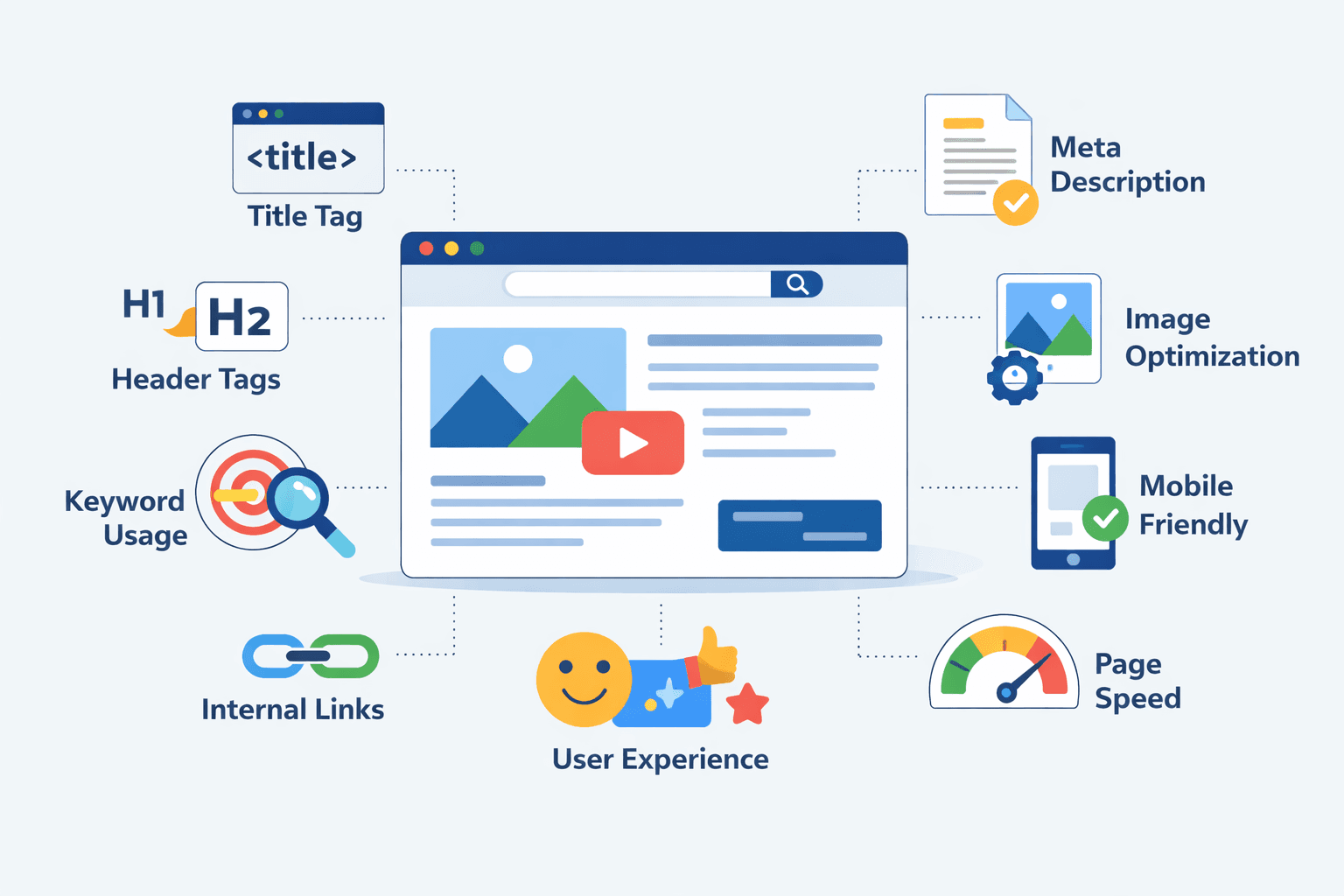
AI agents optimise titles, descriptions, headers, readability, and structure with high accuracy. They also scan your competitors to identify what elements help them rank. Agents then create variations for testing to improve click-through rates and engagement. This ensures every page stays aligned with ranking expectations and user behaviour without constant manual editing from your team.
3. Technical SEO
AI crawlers analyse your site for errors, missing tags, broken links, crawling issues, JavaScript rendering problems, and more. They create detailed reports that highlight issues in order of severity. Some systems even assign tasks directly to developers. This level of automation makes technical SEO faster, more reliable, and easier to maintain, especially for large sites with thousands of pages.
4. Content Creation and Updating
AI agents evaluate old content, find outdated information, and refresh weak sections. They rewrite sentences, update statistics, improve structure, and insert missing keywords. Since search trends shift, older content can lose relevance quickly. Automated updates keep your site fresh and competitive even without a large editorial team. This ensures your content library keeps growing in value.
5. Internal Linking
Internal linking helps search engines understand your site. It also boosts the authority of important pages. Manually doing this is slow and repetitive. AI agents scan your entire website, detect linking opportunities, and add new links based on context and relevance. This builds strong topic clusters, improves crawlability, and increases ranking impact with almost no manual effort.
6. Rank Tracking and Alerts
AI monitors your rankings around the clock. Instead of checking tools every day, you receive instant alerts when something rises or falls. This helps you respond quickly to algorithm changes, competitor updates, or technical issues. Early detection prevents ranking drops from turning into long-term problems. It also keeps your SEO strategy proactive instead of reactive.
7. Competitor Analysis
AI agents track your competitors by monitoring changes in their content, keywords, backlinks, and page structure. They compare their moves with your performance and create clear recommendations. This gives you an edge because you always know what your competitors are doing. Instead of discovering changes too late, you stay ahead with instant insights and smarter counter strategies.
Why AI Agents Give Teams an Advantage
AI agents outperform humans in three key areas:
1. Scale
AI can evaluate thousands of pages, keywords, and backlinks at once. It handles massive data loads that would overwhelm any human team. This makes it ideal for large websites, multi-language sites, and complex structures. The ability to process so much information at once is one of the biggest reasons automation brings instant value to SEO operations.
2. Consistency
Humans get tired and overlook details, especially when dealing with repetitive tasks. AI does not. It performs every action with the same level of focus, whether it is optimising five pages or five thousand. This consistency ensures no gaps in your strategy. It also creates a stable SEO foundation that continues to improve regardless of workload or time of day.
3. Speed
AI works at a pace humans cannot match. Tasks that take days or weeks are completed within minutes. This speed helps you react immediately when rankings drop or opportunities appear. Faster responses mean stronger performance and fewer missed chances. Speed also helps your website keep up with dynamic search environments where trends and algorithms change frequently.
The Growing Role of AI in Global Marketing
Regions are adopting automation at different speeds. For instance, businesses that request search engine optimisation services in Dubai require outputs more quickly, scalable solutions, and tools that lessen the load of their operations. The pace of Dubai's digital marketplace is extremely fast, and therefore, the adoption of automation fits well within the business culture.
Businesses in a competitive region will no longer rely on manual SEO. Rather, they will implement systems that work around the clock, allow for instant reports, and complete work more quickly than even human teams. As a result, AI agents will become a vital component for both start-up and enterprise businesses.

Why AI Agents Give Teams an Advantage
AI agents outperform humans in three key areas:
1. Scale: An AI system can process thousands of pages at once. It can run multiple tasks at the same time without slowing down.
2. Consistency: It never forgets, never gets tired, and never ignores small ranking signals.
3. Speed: What takes humans days takes seconds for AI.
When companies adopt tools that automate seo tasks with AI, they unlock compound benefits. They get better ranking stability, faster decision-making, and deeper insights.
Addressing Big Questions in 2026
As AI grows more powerful, more professionals ask difficult questions like, Will AI replace SEO? It is a question many people wonder about, and the answer is much more nuanced than people think.
AI can automate the operating side of SEO. It does the heavy lifting and handles the repetitive tasks. But humans still steer strategy, creativity, storytelling, experience, and brand positioning. For these reasons, the question of AI replacing SEO should somehow be seen as a misunderstanding. AI will not replace the field. It will redefine it.
Many believe, however, that the AI agent is the future of SEO because agents run the mechanical side, while humans can move to higher thinking. Once teams navigate this balance, they can work smarter and scale faster.
The statement that the AI agent is the future of SEO is even more believable once you see how the agent learns from data, modifies its actions, and constantly optimises.
The Tools Powering This New Era
Behind every AI agent, there are strong systems and platforms. These systems act as AI-driven tools for automating seo tasks, giving companies the backbone they need to execute at full speed.
These platforms combine:
AI analytics
Data collection
Content intelligence
Automation engines
Site crawlers
Optimization models
Businesses also rely on automated seo software to handle specific workflows like link building, keyword clustering, and technical fixes. These tools form an ecosystem of automation that keeps SEO strong throughout the year.
A Further Look at AI-Powered Workflows
Here is how automation changes the workday of SEO professionals in 2026.
Morning workflow: The AI agent sends a report showing overnight ranking shifts. It lists recommended actions and highlights pages that need attention.
Afternoon workflow: The agent works on automated seo tasks such as rewriting meta tags, fixing technical errors, and improving internal links.
Evening workflow: It analyses competitors, updates keyword clusters, and schedules content improvements for the next day.
This cycle repeats without human intervention. The team only steps in when strategy or decision-making is required.
Why 2026 Is the Tipping Point
The year 2026 represents a shift because:
The technology is stable
The tools are affordable
The data is more accurate
Businesses are ready to adopt automation
Competitors are moving quickly
Teams now want systems that automate seo tasks, not just partially, but fully. The market demands fast output, and AI agents deliver exactly that.
Companies do not ask whether how to automate seo is useful. They want to know how fast they can implement it. They do not wonder why they should automate seo tasks with an AI agent. They already see the benefits.
Automation becomes an expectation, not a luxury.
Final Thoughts
SEO in 2026 is defined by automation. AI agents change how teams work, how websites grow, and how brands build search authority. With smarter workflows, deeper insights, and stronger execution, automation becomes the foundation of search strategy.
Professionals who learn how to automate seo will always have an advantage. Teams that adopt tools to automate seo tasks with an AI agent will outperform competitors who rely on manual work. As the Role of AI Agents in SEO grows, and as questions like Will SEO be replaced by AI get answered with clarity, the industry moves into a stronger era.
One thing becomes clear: the AI agent is the future of seo, and businesses that accept this shift early will lead in rankings, growth, and innovation.