Table of Contents
The way users search has changed quickly, and brands need more than keywords to win their trust. Today's audiences expect fast pages, clear journeys, meaningful content, and frictionless experiences.
Because of this shift, many marketers are, understandably, asking what SXO is and how it is going to transform the future of online visibility. With the advancement of search experience optimisation, we are entering a phase where user satisfaction is as important as keywords.
Companies are seeking more than traffic today. They want engagement, conversion, and a seamless journey from discovery to action. This is why understanding what SXO is critical for all digital marketers, web designers, and content strategists who want to create effective and powerful online experiences.
This approach is focused on generating value at every stage of the journey, ensuring users feel confident, informed, and supported after they find a business or brand.
Companies that leverage SEO services in Dubai are already seeing this shift take place. The UAE region is known for adopting advanced digital standards quickly, so SXO service design, performance enhancements, and content improvement will soon be an established component of long-term strategies.
According to leading industry organisations like Clicks Gorilla, Companies that get an early understanding of what counts early will have a competitive advantage by establishing systems that prioritise creating visibility that also put a premium on user experience.

What Is SXO and Why Does It Matter in Modern Search
Professionals who investigate what SXO is usually explain it as simply the logical progression to SEO. Previous optimisation efforts have been focused on ranking signals, keywords, and technical structure.
SXO encompasses those things but adds the dimension of user satisfaction. The idea is to improve the entire search journey by addressing elements such as SEO, UX design, clarity of content, building trust, and interactive engagement.
In doing so, search experience optimisation is an evolving approach that aligns with user expectations and experiences even closer than the previous search optimisation approach. The idea gained traction as marketers began to study ranking factors such as Google’s page experience and how it affects users' rankings.
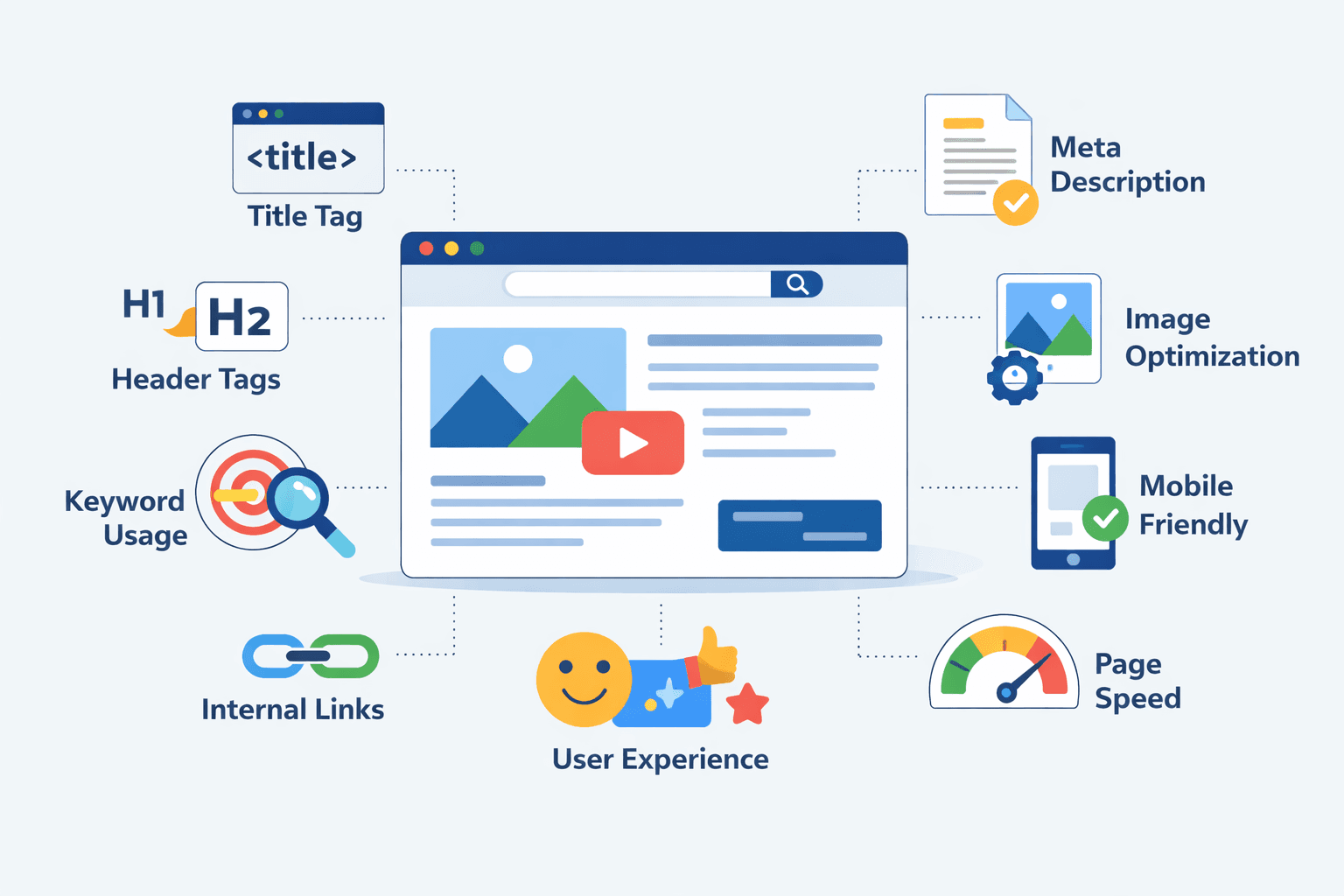
Google introduced metrics for page speed, visual stability, mobile compatibility, secure browsing and user comfort. These changes indicated a shift to search engines placing value on how people felt when engaging with a website.
This is where SXO is particularly valuable, because it ties the ranking signals directly to improvements in usability. Systems powered by AI, interactive tools, and smart interfaces also contribute to enhanced user journeys.
Organisations that assess how chatbots improve the customer experience discover that real-time assistance enhances satisfaction, improves conversion rates, and allows users to develop trust towards that organisation's web presence.
SXO vs SEO and Why Search Experience Is the New Standard
Marketers frequently compare sxo vs seo to understand how the two approaches differ. SEO focuses on helping search engines recognise and rank content. SXO focuses on helping users have the best possible experience after clicking on a result. Both are important, but SXO expands the responsibilities of optimisation by merging technical performance with UX principles.
When professionals ask What is the difference between SEO and SXO?, the simplest explanation is that SEO attracts the user while SXO ensures the user stays, engages, and converts. SEO brings visibility. SXO brings satisfaction. SEO improves rankings. SXO improves the journey, trust, and outcomes.
This is why sxo vs seo is not a competition but a combination. SXO builds on the foundation of SEO. Without search visibility, experience does not matter. Without experience, visibility does not lead to results. The modern approach integrates both techniques to ensure long-term digital success.
The rising importance of Google’s page experience makes SXO even more relevant. Google wants websites that load fast, feel stable, and offer clear visual pathways. SXO ensures that businesses follow these expectations consistently. This shift pushes companies to focus not only on search rankings but also on how users react to their pages.
How Search Experience Optimisation Improves Engagement and Conversions
Understanding what is helps businesses realise that experience is now a ranking factor as well as a conversion factor. When users enjoy interacting with a website, they browse longer, explore more pages, and complete actions more confidently. High satisfaction signals to search engines that the content is valuable, which indirectly supports stronger ranking performance.
This is the area in which search experience optimisation is most impactful. It contributes to an efficient browse experience, provides clarity to content, boosts the speed of load times, and creates pathways that enhance comfort for every action button, form, and visual path. The moment these improvements enhance their digital lives, businesses create cohesive paths that encourage visitors to take constructive actions.
Intelligent systems also play a major role here. Businesses studying the effectiveness of chatbots to enhance customer experience find that they offer immediacy and help reduce confusion.

Why Companies Must Adapt to SXO for Future Search Success
The transition from SEO to SXO is unavoidable. It signifies how search engines assess quality, and at the same time, the manner in which users qualify a webpage's credibility. As more companies comprehend what SXO is, they are redeveloping their digital platforms to deliver the best experiences possible, including better layout design, quicker mobile journeys, easier readability of content, and content that is designed to help guide visitors through their goal or desired outcome.
For many organisations, the journey begins with the question of What is the difference between SEO and SXO? After a certain understanding, they come to realise that SXO is a long-term investment in strengthening the overall digital ecosystem. It enhances a website, drives user satisfaction, increases conversions, and builds trust.
The growing importance of the question “what is Google’s page experience” shows that search engines reward those who successfully combine technical quality with comfort. Websites may still attract traffic (through SEO, of course), but without SXO, it is unlikely that traffic will translate into meaningful outcomes.
In a world where the capabilities of AI and automation advance rapidly, along with the changing expectations of digital, search experience optimisation is the most dependable vehicle to achieve sustainable success. Businesses that design for experience now will have the strongest position later, as the standards for searching continue to develop.