Table of Contents
- What Is CLS and Why Does It Matter
- Why Running a Proper CLS Test Is Important
- Common Causes of Layout Shifts
- CLS Best Practices for Improving Page Stability
- Recommended Stability Improvements
- Applying CLS Strategies to Real Websites
- How Content Structure Influences CLS
- Tools That Help Measure and Improve CLS
- Why CLS Matters for User Trust and SEO Performance
- Keeping CLS Stable as Your Website Grows
- Conclusion
A seamless experience goes beyond fast loading times. Even if a page loads quickly and all the images, buttons, or text are in the right place, an unexpected movement of the layout will frustrate your user in an instant. This is exactly what Google now measures with Cumulative Layout Shift (CLS), one of the primary topics in its Core Web Vitals measurements.
For high-traffic platforms, partnering with reliable providers of Networking Services in India ensures that data packets and assets are delivered consistently, reducing the latency variances that often cause elements to "pop" into place unevenly.
Once you know what CLS is and how it affects engagement, you can drastically improve audience experience and user satisfaction. Digital performance experts like Clicks Gorilla emphasise that a stable page is a trustworthy page; if elements shift while loading, users lose confidence and find the interface unprofessional. By prioritising visual stability, you protect your conversion opportunities and secure long-term SEO performance.
When you learn what CLS is, you are able to track CLS and eliminate visual instability. A well-optimised user interface signals quality, accessibility and attention to detail, which we need today as businesses. Learning how to influence CLS is the direction to a better user experience and search engine credibility.
What Is CLS and Why Does It Matter
Recognising how CLS measures visual stability is important for understanding what CLS is. CLS stands for Cumulative Layout Shift, which measures how much a page layout shifts as it loads.
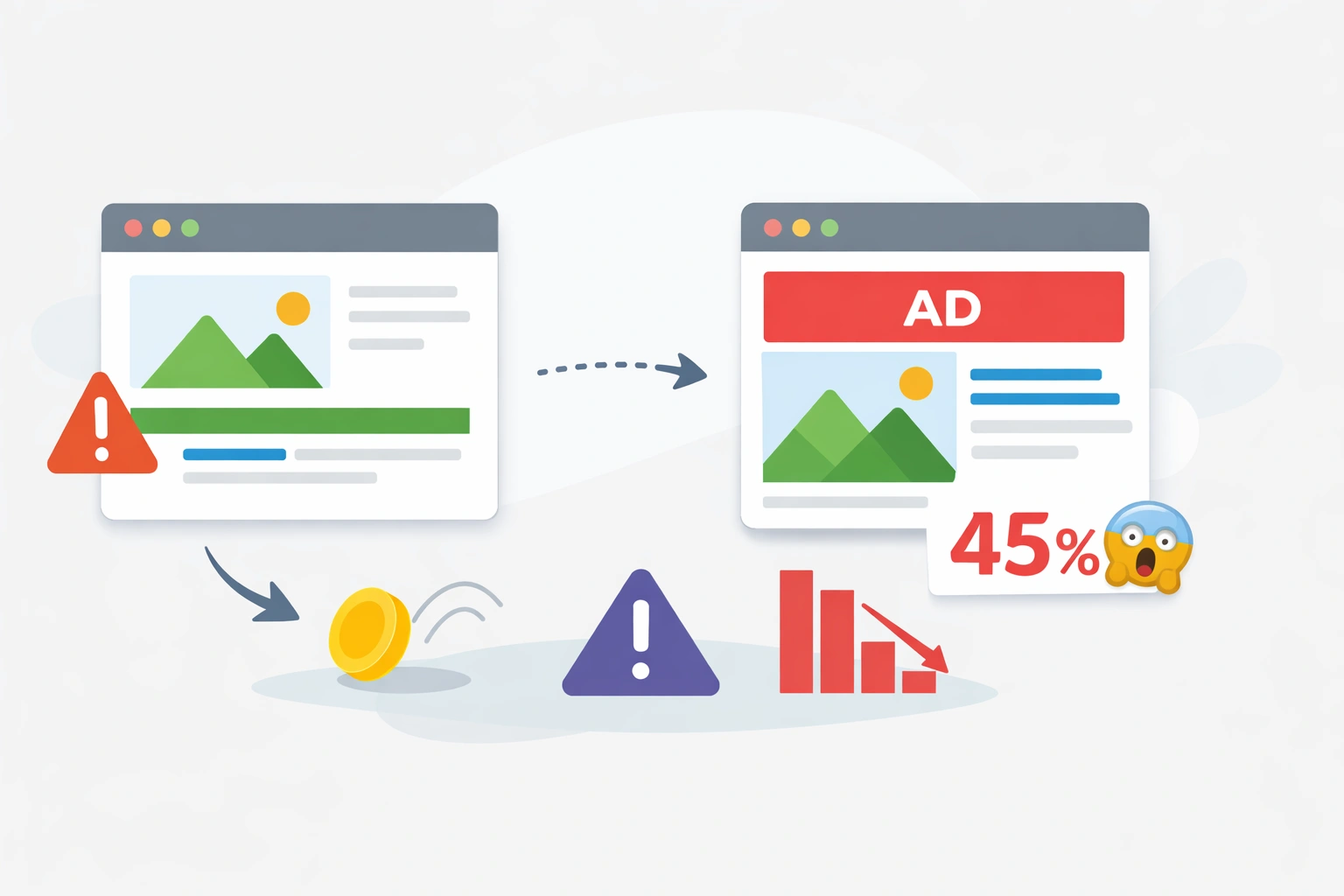
These shifts can occur when an image loads late, an ad pushes content down, or when fonts change after rendering. Visual stability is an important consideration, as even minor shifts can create misclicks that lead to user frustration.
Google uses this metric to help determine the quality of a user's experience while reading. Users may abandon a page when content shifts unexpectedly, which signals engagement that negatively impacts ranking.
The CLS impact on Google ranking continues to strengthen as Google continues to provide value on real-world performance. When you understand what is cls, you can prevent layout shifts and create a smoother interaction flow, which supports long-term SEO growth.
Why Running a Proper CLS Test Is Important
A CLS test assists you in discovering which elements may be the cause of instability. Shifts may appear small on the surface, but they can create a large amount of user dissatisfaction.
A test will demonstrate the precise moment the layout shifts, leaving you to ascertain the element that caused it in the first place. Once you run a CLS test, you will be able to see late-loading images, dynamic banners, unstyled fonts, and widgets that load unpredictably.
Testing is important because often, many layout shifts occur only on certain devices or connection speeds. You may have a site that looks stable on a desktop with fast internet, but it may scroll to a different location on a mobile device. Learning what CLS is and measuring it properly will help you ensure that you fix problems that affect real users.
Common Causes of Layout Shifts
Many website elements are visually appealing but create poor experiences if not optimised correctly. Large images and advertisements often cause instability when they load after the initial render.
Placeholder spaces can reduce movement, but without proper structure, they can still shift. Another common issue is JavaScript shift, where scripts modify page elements after rendering. When this happens, content jumps unexpectedly and interrupts the reading experience. Web fonts also cause layout problems. If fallback fonts display first and then switch to the correct font, the text moves. Understanding CLS helps teams prevent these interruptions and maintain design integrity.
CLS Best Practices for Improving Page Stability
Once you understand the importance of visual stability, following CLS best practices becomes a natural step toward optimisation. These practices focus on eliminating unnecessary movement and structuring content predictably.
Recommended Stability Improvements
- Reserve proper space for all images and media so they load without pushing content
- Load ads and embeds in predetermined containers so they do not interrupt the layout
- Preload fonts to prevent sudden text movements during rendering
Following these CLS best practices significantly improves the browsing experience and reduces frustrating layout shifts.
Applying CLS Strategies to Real Websites
Understanding the full form of CLS is only the beginning. Applying these strategies requires identifying the exact points where instability occurs. Developers should examine the hero section, navigation bar, product images, and interactive modules. These areas often contain dynamic components that load progressively. Reducing their movement creates smoother experiences.
A well-structured site ensures the location of each visual element remains predictable. This reduces user frustration and improves scroll behaviour. Better stability influences engagement metrics such as session duration, conversion rate, and overall satisfaction. These improvements reinforce the connection between stable layouts and SEO success.
How Content Structure Influences CLS
Content placement plays a major role in visual stability. When the top portion of a page contains heavy or late-loading elements, layout shifts become more likely. Writers and designers should collaborate to ensure the first visible area loads fully and consistently. Learning what CLS is helps content teams plan sections in a structured way that enhances clarity and reduces movement.
Videos, banners, and promotional components must be embedded with proper size attributes. Even small inconsistencies can cause noticeable shifts. Using placeholders for all elements ensures stability while keeping the design visually appealing. Content creators should review spacing, alignment, and image ratios before publishing.
Tools That Help Measure and Improve CLS
Several tools allow developers and marketers to run a precise CLS test. Tools such as Lighthouse, PageSpeed Insights, and Chrome DevTools provide detailed insights into which elements trigger instability. These tools highlight areas requiring improvement and help teams track progress across updates.
Understanding and using measurement platforms ensures your website stays aligned with modern performance standards. Regular testing helps prevent future problems and keeps all pages consistent across devices.
Why CLS Matters for User Trust and SEO Performance
A consistent page layout establishes confidence and trust. When users see the same visual organisation, they feel confident engaging with the content. However, when layout elements change suddenly, confidence diminishes, and the impact of CLS on Google rankings shows how search engines view this type of behaviour. If a user arrives and leaves quickly because they experienced instability with the layout on the page, search engines assume it is a low-quality page.
Creating a better CLS gives users the environment to read, browse, and click comfortably without obstruction. Improved CLS leads to a more engaging experience that creates a strong signal to the search algorithm that the site is engaging. Now that you know what CLS is, you can take advantage of engineering experiences using these thoughts that users enjoy and search engines reward.
Keeping CLS Stable as Your Website Grows
Large sites often undergo layout changes as new sections, widgets, or advertisements are added. While stable layouts may seem deceptively stable, checking a pid test will yield valuable customer data, and a shake-up of the design may be cause for an online CLS test. Incorporating design standards that follow CLS best practices will avoid any accidental "stable" shifting caused by the new addition.
Even interactive features need careful consideration, since animations, popups, and dynamic modules may break visual stability if they show up currently. Interactive features should also be reviewed to progress user journeys in a seamless way and improve performance over time.
Conclusion
Understanding CLS is essential for improving user experience, increasing engagement, and strengthening SEO performance. A strong CLS test reveals hidden issues that disrupt the experience and guide teams toward effective solutions. When you understand what is cls, you gain the ability to structure pages more predictably, refine layout behaviour, and eliminate unnecessary movement. Applying CLS principles transforms user experience and ensures your pages meet modern performance expectations.
By following CLS best practices, optimising content structure, reducing script-based movement, and preventing JavaScript shift, you create stable and reliable pages. Strong visual stability not only improves user satisfaction but also builds better search visibility, supported by the positive CLS impact on Google rankings.
Still confused or finding it difficult to understand the CLS and its benefits, here is a YouTube video that would give you a more practical insight:-