Table of Contents
- Why Google Introduced Site Diversity
- How the Site Diversity System Works
- Who Benefits Most From the Update?
- Strategy Shift for SEOs and Webmasters
- Tactical Adjustments for Better Diversity Compliance
- Situations Where Google Allows Exceptions
- Mistakes That Cause Ranking Drops Post-Update
- Key Adaptation Steps for Modern SEO
- Winning in the New SERP Environment
- AI + Site Diversity: A Future Perspective

Over the past decade, Google’s search ecosystem has undergone significant advancements. For a long time, large authority-marketing websites could occupy whole pages of the search results for a single query, obtaining rankings and often overshadowing a specialised Managed IT Support Services Company in India.
In an effort to provide SEO visibility diversity across domain types, the Google site diversity update was one of many systems they implemented as a way for users to see more than one website take up space for the same query.
In this context, understanding the site diversity ranking means understanding why Google keeps experimenting with the algorithm. Site diversity ensures that the authority, niche, and up-and-coming websites get an equal chance of exposure, a balance that agencies like Clicks Gorilla strive to maintain.
If your site had benefited from multi-URL domination, this change meant adjusting your SEO strategies. If you were attempting to break into search engine result pages previously clogged up by giant websites, you can potentially glean some benefits as a result of this transition.
Why Google Introduced Site Diversity
Search users want choices. While trust and authority matter in Search, Search results dominated by one domain risk bias and reduce informational independence. Google saw that genuine discovery and quality of information happen when multiple voices enter the conversation.
Therefore, the Google site diversity update provided additional weight to the idea of diverse exposure in search by enabling ranking equity in a multitude of websites and not allowing only the most authoritative sites to have total dominance.
This changed when search engine optimisation (SEO) site diversity rules became especially strict, as the top sites claimed multiple Search results on a single Search results page. For example, it was not uncommon to see a single domain with 5, 6, or even 8 top results on a page.
This flood of results moved traffic value to the SERP, while reducing the ability for users to discover and find alternative results. Google's site diversity algorithm helped with this by usually limiting no more than two results from the same domain on page one.
Site diversity was part of a larger update with browsing, where the goal was to promote fairness, smarter ranking filters, and branded conscientious user choice. All of these values are still core Search trust principles.
How the Site Diversity System Works
The Google site diversity algorithm is not a penalty mechanism, but a balancing process to filter out or limit competing URLs, and serves to enable the most relevant URL to be displayed for each domain. If a single site is strong for a keyword category, that site may have multiple pages showing relevance to that category.
However, the algorithm will still serve one or two of them to balance the visibility. The diversity update was created to ensure balance in visibility, not to limit or penalise quality.
Moreover, Google has indicated that strong keyword relevance can outweigh limits created by the diversity algorithm, but primarily for some very niche cases, such as branded searches or navigational intent. However, as a general rule, the Google site diversity update impacted results to ensure that SERPs reflect a broad set of sources.
These guidelines create ranking rules and apply to organic searches/organic search results. There are, however, also unique search engines such as videos, local packs and knowledge card formats that do not follow those guidelines. For webmasters, knowing exactly the areas that site diversity in SEO impacts the search performance allows for more precise strategies.

Who Benefits Most From the Update?
The site diversity ranking update especially benefits smaller, emerging, and niche websites. When big domains get capped at two organic results per page, lesser-known but useful content can rank. This levelling effect supports more democratic information access.
domain diversity in search results ensures that independent creators, startups, and niche thought leaders get opportunities to appear alongside legacy publishers. This strengthens content variety and increases innovation and competition online.
Large sites also benefit indirectly because credibility rises when results feel balanced. Users trust high-quality websites more when they aren’t perceived as monopolising search.
Strategy Shift for SEOs and Webmasters
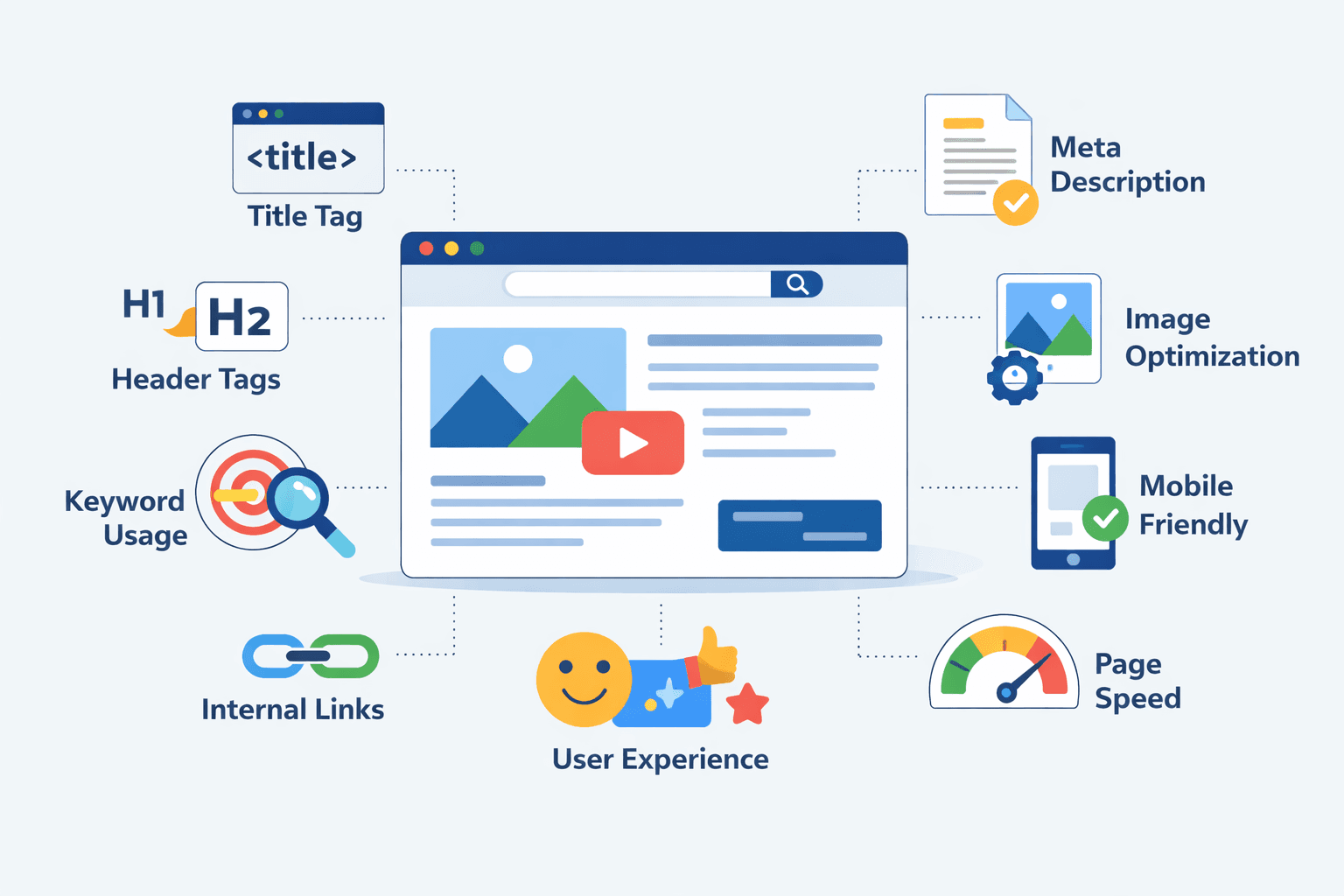
The update demands smart content architecture and SERP targeting. Instead of trying to force multiple URLs for the same term, successful strategies now distribute queries across silos, topics, and pages. To succeed under site diversity in SEO,
Brands now focus on:
- Building focused topical clusters
- Targeting unique keyword intents per URL
- Creating supportive internal linking structures
This prevents cannibalisation and keeps individual pages differentiated. As the Google site diversity update shows, specialisation wins over repetition. The Google site diversity algorithm rewards clarity and quality, aligning search success with editorial integrity.

Tactical Adjustments for Better Diversity Compliance
SEOs must now remove the obsession with crowding SERPs and instead focus on relevance and depth. Understanding the site diversity ranking update can change your publishing cadence, keyword strategy, and content format planning.
To adjust:
- Avoid publishing multiple pages chasing identical queries
- Consolidate similar content into robust pillar pages
- Strengthen intent segmentation in keyword mapping
With domain diversity in search results, your best content has a clearer opportunity to shine. And when big brands take fewer slots, mid-tier sites can climb more reliably.
Remember: this rule is always working, even when algorithm announcements appear quiet.
Situations Where Google Allows Exceptions
Even with Google's site diversity update rules, exceptions apply particularly when user intent demands it. Branded searches, site-specific queries, or extremely niche knowledge can allow multiple results from one site. For example, search queries relating to technical documentation often surface several URLs from the same brand.
That means the site diversity ranking update is not absolute. Instead, it is context-controlled. Google never sacrifices usefulness for system rigidity. The Google site diversity algorithm enhances quality, not replaces judgment.
Users searching for broad informational queries, however, generally see diversity enforced. This ensures healthy information ecosystems on competitive terms.
Mistakes That Cause Ranking Drops Post-Update
Many websites lost positions simply because they structured content around repetition rather than authority. Trying to push multiple URLs for the same term now leads Google to choose one result and reduce overall visibility for the others.
If your content strategy relied on SERP flooding, realignment is necessary. With reduced multiple results from the same domain, Google mechanics are active, and consolidation and topical clarity become your biggest friends.
Marketers should monitor content overlap, internal competition, and intent clarity. Search clarity produces ranking clarity.
Key Adaptation Steps for Modern SEO
How This Influences Competitive SEO
In a more balanced SERP landscape, attention to detail matters more. Freshness, quality, and authority weigh heavily. Search experience becomes priority, not dominance.
Thanks to Google SERP diversity improvement, search users see a richer variety and independent voices. The algorithm also creates pressure for brands to uplift content quality rather than exploit authority loopholes.
As search evolves, expect more relevance-based distribution systems reinforcing the fairness ethos introduced with the site diversity in SEO concept.
Winning in the New SERP Environment
- Invest in content originality and depth
- Match content to specific search stages
- Prioritise query clusters over keyword duplication
These align you favourably with the Google site diversity update and consumer experience shifts.
AI + Site Diversity: A Future Perspective
AI content accelerates production but also increases similarity risks. Google’s filters are evolving to detect pattern-based text replication. This means the Google site diversity algorithm will increasingly intersect with AI pattern recognition.
Long-Term Outlook for Site Diversity SEO
- Personalised ranking signals will grow
- Niche publishers will gain stability
- Intent-driven SERPs will expand
With trends emphasising authority, originality, and author credibility, the site diversity ranking update is paving the way for a future where search quality becomes more human-centric even within AI-supported ecosystems. Strategies like clustering and intent-based publishing explain how to avoid losing ranking due to site diversity updates, enabling marketers to evolve without losing reach. Overall, the impact of Google site diversity on rankings reshapes modern SEO fundamentals and rewards sites that prioritise differentiated, high-quality content. Brands investing in true expertise will outperform those mass-publishing surface-level content.