Table of Contents
- Introduction
- What Is AI in SEO?
- How AI Is Reshaping the SEO Landscape
- 1. Is It Still About Keywords, or Is SEO Smarter Now?
- 2. The Rise of Automation
- 3. Predictive and Prescriptive SEO
- 4. Is Personalisation Possible for Every Visitor?
- Core Technologies Behind AI-Driven SEO
- Natural Language Processing (NLP)
- Machine Learning (ML)
- Predictive Analytics
- Real-World Applications of AI in SEO
- Why AI Matters in 2026 And What You Should Pay Attention To
- Areas Where AI Is Transforming SEO
- A. Content Creation
- B. Keyword Research
- C. On-Page SEO
- D. User Experience (UX) & Core Web Vitals
- E. Search Intent and Semantic SEO
- Benefits of AI in SEO with Data Insights
- Challenges, Limitations, and Ethical Considerations
- How to Achieve the Perfect Balance: AI + Human SEO
- Top Performing AI SEO Tools in 2025
- Leading Global Tools
- Best Tools for Indian Marketers
- The Future of AI in SEO: Predictions for the Next 5 Years
- Conclusion
Introduction
SEO Services in India is no longer just a digital marketing buzzword; it’s the heartbeat of any brand aiming to reach wider audiences in today’s online-first world. Gone are the days when SEO meant stuffing web pages with keywords or trying to “game” Google’s ever-changing algorithms. Today, in 2026, artificial intelligence in SEO is not only transforming every aspect of search, it’s become essential for brands seeking genuine, sustainable growth.
The digital landscape has changed dramatically in recent years. Marketers and business owners alike see that understanding and using AI in SEO is not about keeping up with trends, but staying ahead in an increasingly data-driven, intensely competitive market. According to a 2026 Gartner study, over 85% of leading marketing teams are leveraging AI-powered SEO solutions for better rankings, smarter content, and sharper analytics. This marks a new era where machine intelligence partners with human creativity to achieve unprecedented results.
In this blog by Clicks Gorilla, we’ll explain what AI means for SEO, why it matters in 2026, and how you can use it effectively, combining AI automation with strategic human expertise. Whether you’re an agency strategist, an ambitious startup founder, or a hands-on SEO analyst, this is your guide to the future of search.
What Is AI in SEO?
If you’re asking, “What does AI have to do with SEO, anyway?” you’re not alone. AI in SEO simply means using artificial intelligence to handle the heavy lifting: analyzing massive data, predicting trends, and helping you optimize your website smarter, not just harder.
-
Quickly process and analyze massive sets of data from millions of web pages.
-
Spot patterns, predict ranking trends, and suggest optimizations, instantly.
-
Scale content production while maintaining quality and user focus.
Core Definition: AI-driven SEO tools leverage algorithms that mimic human intelligence. They understand language (NLP), learn from data (machine learning), and adapt SEO strategies almost in real time based on evolving search signals.
At Clicks Gorilla, we’ve seen client campaigns transform with AI-enhanced processes, improving speed, content relevancy, and overall campaign ROI.
How AI Is Reshaping the SEO Landscape
1. Is It Still About Keywords, or Is SEO Smarter Now?
In 2026, Google’s search algorithm is more advanced than ever, using deep learning to understand context, searcher intent, and semantic meaning, not just keywords. AI-powered SEO recognizes this evolution and helps brands build pages that answer real user questions, not just rank for exact-match keywords.
For example, instead of targeting “best Indian desserts,” AI can analyze what users actually want: authentic recipes, health-conscious alternatives, videos, or local shop maps. This leads to higher engagement and improved organic visibility.
2. The Rise of Automation
Automation has fundamentally reshaped SEO, empowering teams to trade manual, repetitive work for intelligent processes driven by AI-powered tools. This shift enables businesses to optimize at scale and speeds up campaign execution, while reducing human error and freeing experts for creative, strategic tasks.
Key benefits include:
-
Automated technical SEO audits, quickly identifying site issues
-
Programmatic updating of thousands of meta tags
-
Real-time backlink profile and toxic link analysis
-
Detection of content cannibalization and duplicates
-
55% reduction in manual SEO workloads (SEMrush, 2026)
3. Predictive and Prescriptive SEO
AI doesn’t just monitor what’s happening, it predicts what’s next. With predictive analysis, brands can see which topics will trend, what questions users are about to ask, and when algorithm updates might impact their performance.
Prescriptive AI then suggests concrete actions (“write content on X topic” or “switch to WebP images”) for proactive gains.
4. Is Personalisation Possible for Every Visitor?
Absolutely. Modern AI-powered SEO tools make it possible to deliver truly personalised experiences to every website visitor.
Instead of generic content, AI analyses user behavior and preferences to dynamically adapt:
-
Page layouts suited to individual browsing habits
-
Customised calls-to-action (CTAs) that increase conversions
-
Headlines and messaging tailored in real time
-
Content recommendations that match visitor interests
This level of personalisation enhances user satisfaction, keeps visitors engaged longer, and is favored by Google’s RankBrain and MUM algorithms. Ultimately, such AI-driven personalisation leads to higher search rankings and better overall site performance.
Core Technologies Behind AI-Driven SEO
Natural Language Processing (NLP)
Natural Language Processing, or NLP, brings a human-like dimension to how machines interact with language. Instead of merely scanning text for keywords, NLP enables AI to interpret the context, intent, and subtle meanings behind every word, much like a human would during a conversation or while reading an article.
-
Deeper Understanding: NLP lets search engines understand not just what a user types, but what they mean. It recognizes questions, nuances, and even slang, so your content matches true user intent.
-
Application in SEO: Tools using NLP can analyze competitors’ content, suggest topic clusters, and rewrite passages for clarity while preserving your brand’s unique tone.
-
Real-World Examples: Google’s BERT and MUM algorithm updates both rely heavily on NLP to deliver more accurate, relevant search results. For instance, if you search “how to fix leaky faucets,” NLP ensures Google understands your purpose (wanting a DIY guide) rather than simply matching keywords.
Machine Learning (ML)
Machine Learning is the tireless analyst in the world of SEO. It doesn’t just follow static rules, it observes, learns, and adapts from endless streams of data to refine optimization decisions over time.
-
Pattern Recognition: ML processes historical trends, current search results, and shifting user behavior. It can spot seasonality in search, understand which types of content perform best, and automatically group keywords by theme and intent.
-
Continuous Improvement: By monitoring how content ranks, how users interact with pages, and what competitors are doing, ML-powered SEO tools adjust strategies in real time, always optimizing for what works now, not just what worked last year.
-
Practical Impact: From suggesting new ranking opportunities to flagging technical site issues, ML keeps websites agile in the face of changing algorithms and competitive landscapes.
Ultimately, Machine Learning brings a sense of evolution and self-improvement that mirrors the best traits of any great marketer: never standing still, always learning and tweaking for better results.
Predictive Analytics
Predictive Analytics gives SEO specialists and content creators a kind of digital foresight, helping them prepare for changes before they even happen.
-
Future-Proofing Strategies: By analyzing past data and current behaviors, these models forecast trends, such as upcoming rise or fall in keyword popularity, shifts in audience interest, or even timing for Google updates.
-
Actionable Alerts: AI can proactively recommend when to refresh aging content, alert you to seasonal SEO opportunities, or signal keyword clusters about to break out.
-
Competitive Advantage: Brands that harness predictive analytics stay a step ahead: adjusting campaigns before competitors do, and maintaining top search positions through constant, data-driven adaptation.
Real-World Applications of AI in SEO
Everyday examples of AI at work in SEO:
-
Content Outline Generation: AI tools can create outlines in seconds for blogs, landing pages, or ecommerce descriptions.
-
SERP Analysis: Instant competitor benchmarking, analyzing which content types, angles, and keyword clusters win top spots.
-
Automated Reporting: Weekly performance dashboards, backlink updates, and traffic insights are scheduled and generated automatically.
-
On-Page Recommendations: Tools like Surfer SEO and Clearscope suggest content improvements in real time, including keyword usage, structure, and readability.
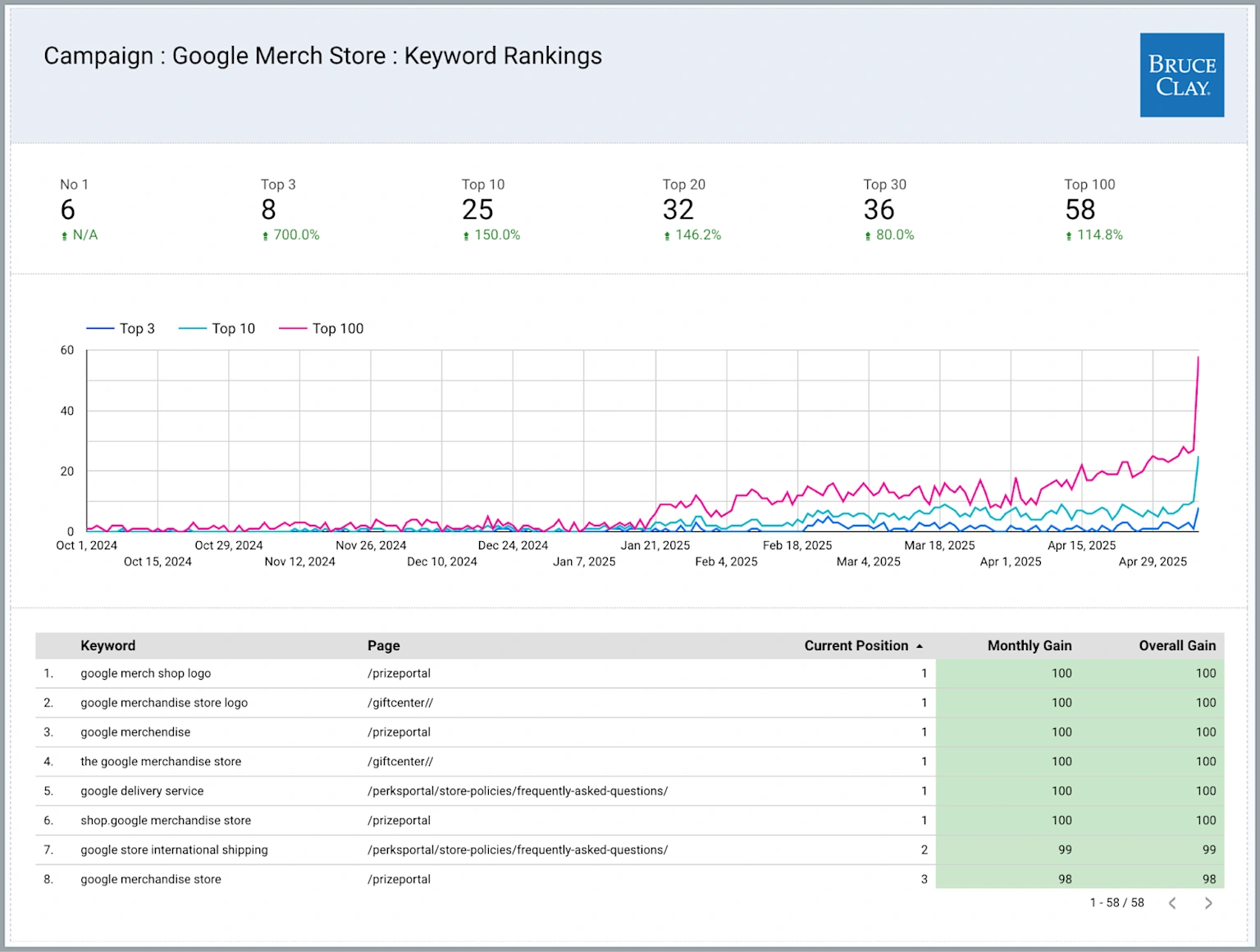
Case Study: A fashion e-commerce client at Clicks Gorilla reduced blog production time from one week to two days (over 70% improvement) using AI-generative outlines and automated keyword clustering, leading to a 35% increase in organic blog traffic over six months.
Why AI Matters in 2026 And What You Should Pay Attention To
-
85% of top-performing SEO teams in 2026 rely on AI-powered automation for content audits and reporting. (Gartner Report, 2025)
-
AI-driven content tools increase average blog engagement by 28%, as measured by dwell time and click-through rates. (HubSpot Industry Survey, 2026)
-
Google’s AI updates now affect over 90% of all queries, making traditional “keyword-only” strategies obsolete.
-
Turnaround times on SEO campaigns have dropped by 40% with AI-powered workflows, according to client data at Clicks Gorilla.
-
The global market for AI SEO tools crossed USD 3.2 billion in 2026, with a predicted CAGR of 21% through 2028. (Statista, 2026)
Areas Where AI Is Transforming SEO
A. Content Creation
AI tools like Jasper, Scalenut, and Outranking have redefined what’s possible for large-scale, optimised content creation. These platforms don’t just generate words; they learn what works best, adapt to specific brands, and continually improve based on user engagement.
Key Benefits:
-
Ensures readability, proper keyword use, and natural flow
-
Suggests internal links, improving site structure
-
Automates creation of FAQs, titles, meta tags, and schema
Data Point: Brands using AI-powered content tools see an average 25% uptick in time-on-page and 30% more featured snippet placements compared to non-AI approaches.
B. Keyword Research
Traditionally tedious, this process is now almost instant:
-
AI-based SEO tools can group thousands of keywords by intent, search trends, and competitive gaps in minutes.
-
Smarter clustering algorithms mean campaigns are laser-focused and aligned with how people actually search.
Market Insight: SEMrush and Ahrefs AI modules now scan over 1 billion search queries per month, surfacing opportunities that human teams would likely miss.
C. On-Page SEO
AI-driven on-page SEO tools are truly revolutionizing how marketers and content creators optimize their web pages. By blending smart automation with relevant SEO principles, these tools make it easier than ever to craft pages that not only rank, but also engage and convert.
What do these tools actually do? Here are some concrete examples:
-
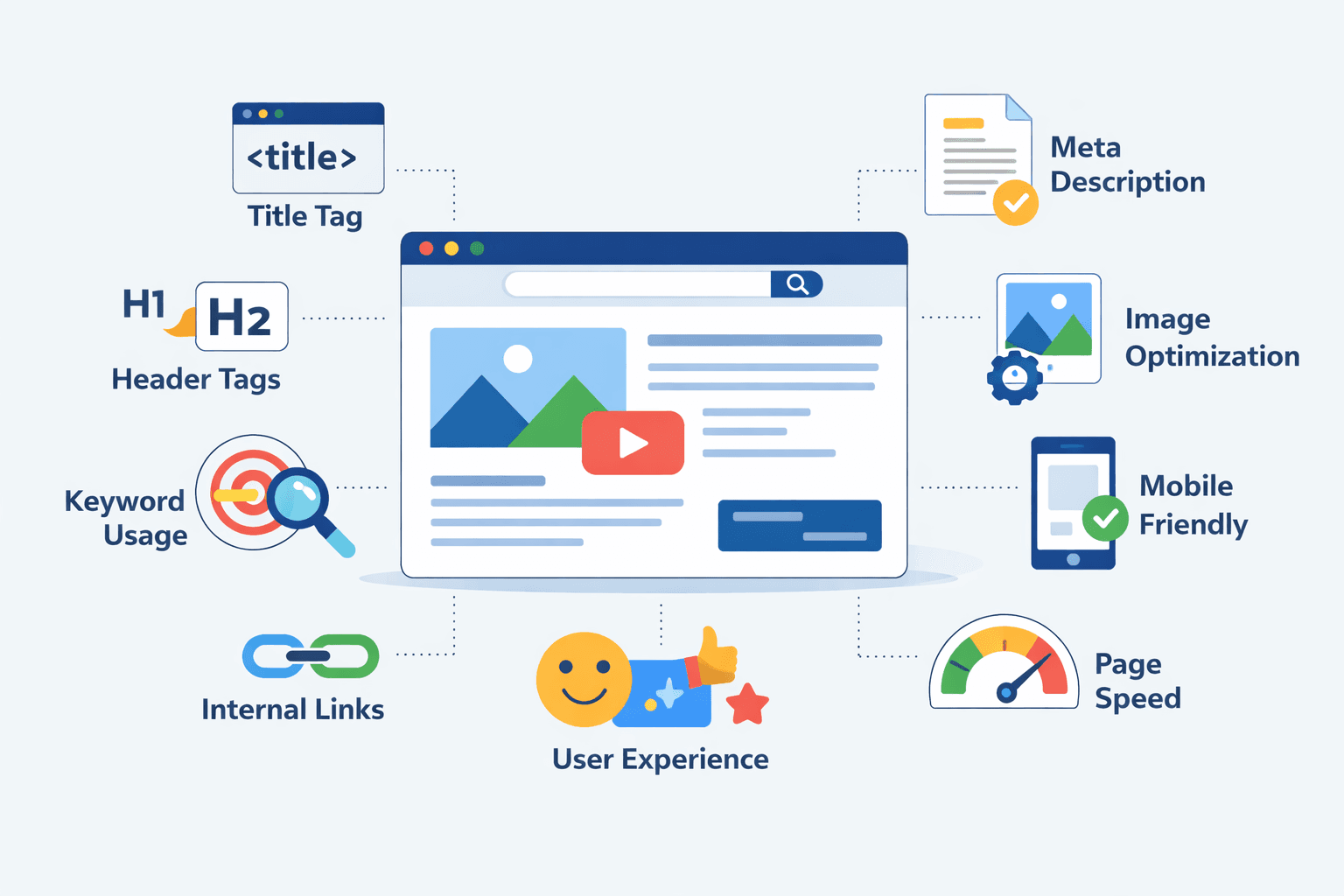
Real-Time Meta Tag, Heading, and Alt Text Suggestions: AI tools like Surfer and Clearscope analyze SERPs and your content simultaneously, providing instant recommendations for title tags, meta descriptions, H1/H2 structures, and even the best alt text for images. For instance, if your blog is missing a target keyword in the H2, the tool will flag it and suggest improvements.
-
Readability Analysis and Instant SEO Scoring: Platforms such as Grammarly or Hemingway, powered by AI, review your text for complexity, sentence structure, and overall readability, then assign an SEO score or Flesch reading grade. This ensures your page is both search-friendly and easy for real users to digest. Some tools even highlight passive voice or overly complex sentences and offer simple rewrites.
-
Content Structure Suggestions: AI can analyze top-ranking pages and suggest a content outline or section order that mirrors high-performing competitors, helping you cover essential topics and questions comprehensively.
-
Internal Linking Recommendations: Advanced platforms can scan your site and highlight optimal places to add internal links, improving both user navigation and your crawlability for search engines. For example, if your page on "SEO automation tools" has no links to your guide on "AI in content marketing," the tool will prompt a relevant anchor suggestion.
-
Image Optimization: AI detects missing or poor-quality alt attributes, suggests file renaming for better keyword alignment, and even checks for ideal image compression and sizing for faster page loads.
-
Mobile-First and Accessibility Compliance: Tools automatically flag mobile usability issues, like overlapping elements, small tap targets, or font-size problems. For accessibility, AI scans for missing ARIA labels, insufficient contrast ratios, and non-descriptive link or button text.
-
Keyword Placement and Density Guidance: Instant feedback on how frequently and where your focus keyword appears, preventing both over- and under-optimization.
D. User Experience (UX) & Core Web Vitals
SEO is increasingly about delivering seamless user experiences. AI analyzes:
-
Scroll depth, bounce rates, click maps, and engagement patterns
-
Core Web Vitals (loading time, interactivity, visual stability)
-
Recommends specific UX improvements, such as faster loading images or better mobile layouts
Stat: Sites leveraging AI insights for UX improvements reported a 19% reduction in bounce rates and a 23% lift in conversion rates by Q2 2026.
E. Search Intent and Semantic SEO
Perhaps the single biggest leap is AI’s ability to decode intent, not just keywords. Tools now analyze billions of search phrases, recommend content types (guides, videos, listicles), and even suggest when to update or consolidate articles for maximum impact.
Outcome: Pages optimized for intent with AI guidance are 50% more likely to achieve a top-three ranking vs. traditional keyword-focused content. (Moz, 2026)
Benefits of AI in SEO with Data Insights
Let’s break down the clear benefits of AI in modern SEO campaigns:
-
Time Efficiency:
-
Manual audits or research that once took days are now completed in hours (or minutes).
-
Teams can go to market faster, respond to trends immediately, and ship content at scale.
-
Better Content Quality:
-
AI ensures structure, grammar, keyword density, and readability, dramatically reducing publishing errors.
-
Improved Rankings:
-
AI-powered optimizations are adaptive, so they recover quickly from algorithm changes and keep pages ranking in unstable SERPs.
-
Predictive Targeting and Future-Proofing:
-
Marketers see future trends and search volumes before their competition does, enabling proactive topic creation.
-
Automated Analysis and Reporting:
-
Weekly ranking updates, backlink health checks, and traffic analyses are delivered to the team’s inbox, freeing up strategic thinking time.
ROI Data Point: Clicks Gorilla clients using AI workflows have measured up to 40% faster campaign completion and a 15% increase in target keyword rankings over 12 months.
Challenges, Limitations, and Ethical Considerations
AI-powered SEO, while incredibly powerful, is not without pitfalls:
-
Risk of Low-Quality or Generic Output:
-
Without human edits, AI might produce duplicate, thin, or “robotic” content that disengages users.
-
In one 2024 HubSpot study, 63% of users could tell if a brand’s blog was machine-generated after reading for just 15 seconds.
-
Over-Reliance on Tools:
-
Solely depending on automation can cause loss of unique brand voice and strategy flexibility.
-
Google's Guidelines:
-
Search engines are increasingly strict about unoriginal or spammy AI-generated content. Compliance and manual review are still required.
-
Ongoing Human Input:
-
Creative strategy, value-based storytelling, and final quality assurance are irreplaceable.
-
Many experts, including Google's John Mueller, stress the role of human review for ensuring quality and ethical standards.
-
Privacy and Data Security Concerns:
-
With AI crawling and analyzing user data, privacy best practices and compliance (GDPR, etc.) remain crucial.
How to Achieve the Perfect Balance: AI + Human SEO
The future isn’t about choosing AI over people, it’s about combining the strengths of both:
-
Let AI Handle the Repetitive and Analytical Tasks:
-
Use automation for audits, clustering keywords, and initial content drafts.
-
Keep Strategy and Creativity Human-Led:
-
Direct voice, branding, audience targeting, storytelling, and campaign planning with expert oversight.
-
Hybrid Workflow in Action:
-
AI generates outlines and content; human editors refine, optimize for nuance, and check for alignment.
-
Continuous Learning:
-
Regularly retrain AI tools with feedback and current, unique brand insights.
Example: At Clicks Gorilla, our content workflow pairs Scalenut-generated blog drafts with a senior editor’s touch, ensuring every article passes both technical and human engagement checks before publication.
Top Performing AI SEO Tools in 2025
Leading Global Tools
-
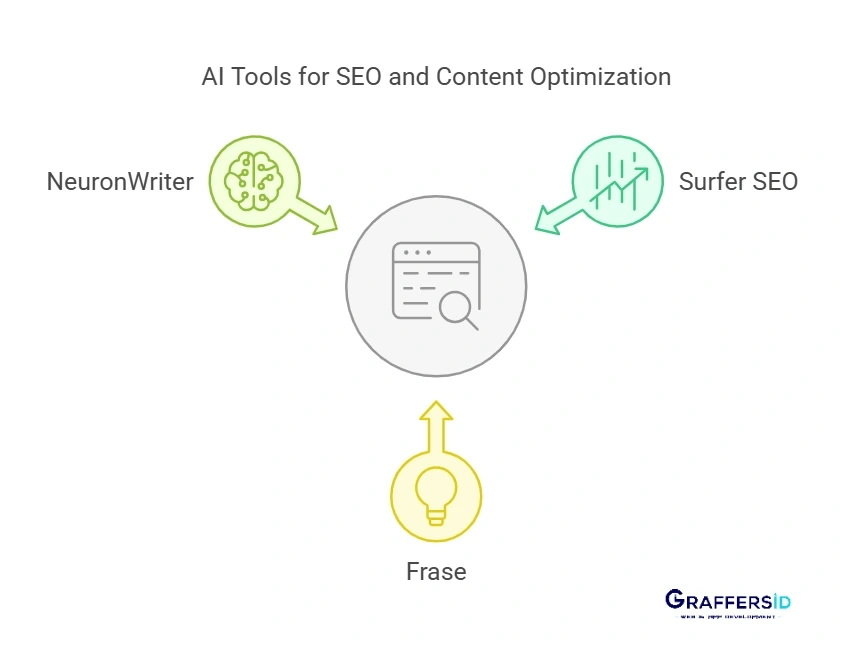
Jasper AI: Industry standard for fast, scalable blog writing and meta tag creation.
-
Surfer SEO: Advanced SERP analysis, on-page scoring, and content structure recommendations.
-
Scalenut: Affordable, made-in-India solution for large-scale content planning and writing.
-
Outranking: For managing content briefs, workflow automation, and optimizing for search intent.
-
MarketMuse: Deep content strategy, gap analysis, and comprehensive intent mapping.
Best Tools for Indian Marketers
-
Scalenut: Designed for local challenges, cost-effective, especially for startups.
-
Frase: Loved by Indian bloggers for its keyword clustering and answer box targeting.
-
NeuralText: Excellent for combining keyword research, content writing, and brief automation.
Expert Insight: Clicks Gorilla frequently integrates these tools with client projects, achieving double-digit performance lifts in content velocity and ranking breadth.
The Future of AI in SEO: Predictions for the Next 5 Years
What can we expect as we look toward 2030?
-
Predictive SEO:
-
AI will predict user search trends before they occur based on social listening and emerging queries.
-
Voice & Visual Search Integration:
-
AI will power optimization for voice queries (already 30%+ of searches) and multilingual image search engines.
-
Algorithm Forecasting:
-
AI will “read” Google update signals and recommend preemptive action for rankings stability.
-
Hyper-Personalized SEO:
-
Content, UX, and even reporting will adapt to the user’s preferences and intent in real time.
Early Adopters: Brands that embrace AI SEO now will benefit from faster adaptation, stronger brand authority, and lower marketing overhead in years to come.
Conclusion
In 2026, AI in SEO means more than automation, it’s about partnership. Today’s SEO leaders blend AI’s computational power with human creativity and insight. The result?
-
Faster campaigns
-
Higher ranking stability
-
Deeper audience engagement
-
Greater ROI
But even as AI SEO services in India advance, the human touch remains irreplaceable. Let algorithms perfect the data, but let humans tell the story.
At Clicks Gorilla, we believe the future belongs to the brands that combine strategic intuition with the smart use of AI, so test, learn, adapt, and keep your campaigns evolving.