Table of Contents
Enhancing page speed is critical for modern SEO, with Largest Contentful Paint (LCP) being a central metric. LCP measures how quickly the main visual element on your page renders, directly impacting user experience and search rankings.
Many sites underestimate the damage slow rendering does to performance. Optimising LCP involves technical refinements like compressing images and improving server response times, tasks often handled by a specialised web development company in Pune, like Clicks Gorilla, to ensure code efficiency.
Once you understand LCP, you can improve the visual elements that drive organic search performance. It isn't just a technical fix; it’s about user perception. As digital experts like clicks gorilla highlight, the first visual a visitor sees sets the stage for trust. Prioritising LCP optimisation ensures your site is competitive, relevant, and ready to convert.
Why Largest Contentful Paint Matters for SEO
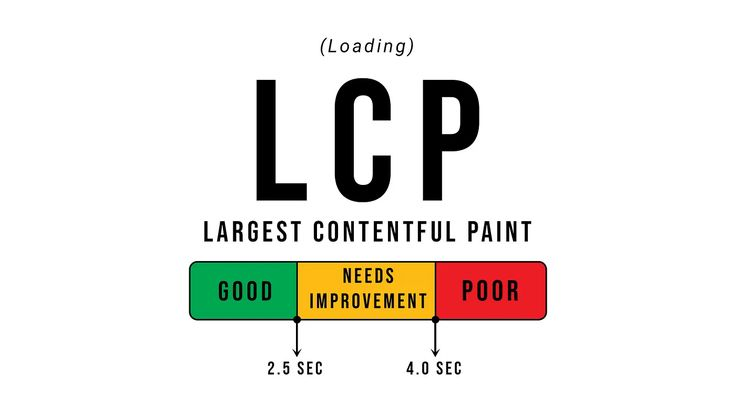
Users want information in an instant. They expect pages to load within milliseconds. Google, for its part, uses largest contentful paint to measure how long it takes for meaningful content to be delivered to users.
A fast LCP translates into increased engagement, lower bounce rates, and improved rankings. When the main image or block of text loads slowly, users will quickly abandon the page. This sends a signal to Google that the website does not have a smooth experience.
Knowing what is LCP allows you to identify the exact portion of a page that delays the loading time, allowing you to revise it. Many websites are well designed, but do not prioritise delivering their primary content quickly. The LCP is where technical performance and performance in relation to human perception connect.
Having a good LCP score provides SEO value for the long haul. It is part of the larger Core Web Vitals framework, which will impact how Google ranks multiple pages in a competitive search environment.
Regardless of whether you own a blog, an e-commerce site, or a corporate website, it helps you provide value to users faster. The faster someone sees the most significant part of the page, the more likely they are to visit the page and consume the content.
This is why largest contentful paint continues to increase in its importance as search algorithms change. Once you understand what LCP is, you can focus on the parts that are slowing down your website to build a strong digital performance platform powered by LCP full form principles.
What Affects LCP and How to Improve It
The most common elements affecting largest contentful paint are oversized images, slow servers, heavy JavaScript, and fonts that take too long to load. When these elements delay rendering, your LCP score suffers. Fixing these issues starts with identifying the main content block and optimising it so that it loads earlier.
Knowing what LCP is helps you prioritise which components to optimise first. A well-structured process combined with consistent audits ensures your pages remain fast and responsive. Remember that LCP is directly linked to real user experience, so improvements in speed influence satisfaction and retention.
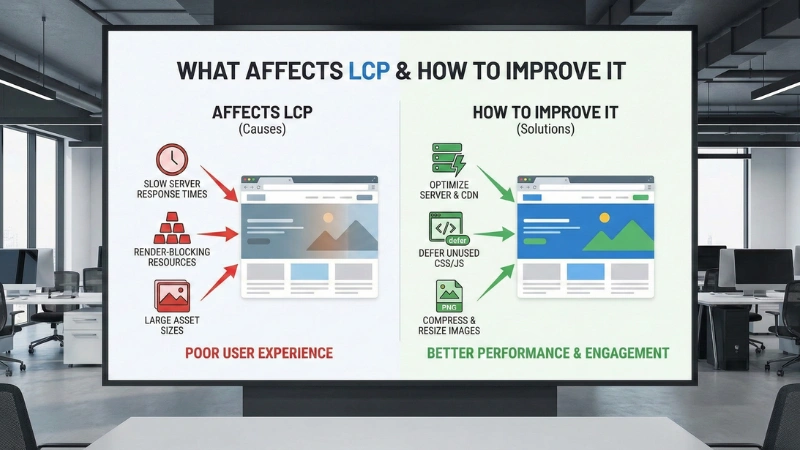
High Impact Fixes for LCP Improvement
• Compress and convert hero images into next-generation formats to reduce weight
• Load critical CSS early and eliminate scripts that block rendering
• Preload fonts and key elements so they display as soon as the page loads
Optimising these areas strengthens your largest contentful paint performance and greatly improves overall SEO.
How to Use LCP in Your Content Optimisation Strategy
LCP is not exclusive to developers. Content teams have an important part in the performance shaping process. Understanding how to leverage LCP allows content creators to align their design decisions with desired performance outcomes.
Overall, simplifying the hero section of a page, producing fewer large visuals, and utilising lightweight image formats will help to produce faster load times. When writers and designers are partnered together, the most essential part of the page shows up quickly. This improves and supports better readability and engagement.
Incorporating LCP into your content optimisation also ensures consistency across every single page. Many sites will slow down because content placement is not planned around optimised performance.
Designers may include large graphics; writers may insert images without compressing them, or marketers may simply place too much media too high up on the page. When you consider how to use LCP correctly, the top of the page is purposely designed around speed and performance.
As a result, users can see and access important information quickly and spend more time naturally scrolling and engaging with the rest of the content.
It adds value to add LCP consideration in your publishing standards as well. Editors should consider the first elements users will see or use (even for weight and/or rendering behaviour) before the editorial work is published.
Your content optimisation will remain in collaboration with your performance optimisation goals across all of your new pages. A slow top section will ruin an entire blog post or landing page, even if the content writes itself.
Using Tools to Measure and Improve LCP
Monitoring performance with content optimisation tools provides insight into how users experience your website in a real-world setting. Platforms like PageSpeed Insights, Lighthouse, and WebPageTest will indicate the specific reasons for slowdowns in the largest paint event.
They will show whether the server response times are sluggish, images are too large, or scripts are blocking rendering. These tools will give you the capability to take specific action to improve largest contentful paint metrics, given your knowledge of how slow each data point was.
By combining those platforms with content optimisation software, you can ensure you'll be able to retain performance consistency in the long run. Your teams will be able to consistently monitor updates, observe how design changes affect speed, and identify ongoing problems before they begin to create fluctuations in rankings.
Many organisations now use automated solutions to simply monitor performance on large websites. This is exactly where content optimisation software will shine when you're able to schedule scans and generate comprehensive reports.
How Content Structure Influences LCP Performance
The configuration and composition of a page have a significant effect on LCP performance. A large video at the top of the page is slower to return than a simple text block. Likewise, carousels and sliders slow the rendering of primary content on the page.
Rethinking the layout is beneficial for far more than speed; it is beneficial for legibility and for allowing users to consume significant content without delay. When users understand what is lcp, they embark on producing pages that optimise clarity and speed.
Modifying layout is especially advantageous for competing niches. Businesses can obtain higher traffic volumes due to primary content appearing to load faster. Once you know the definition of the LCP, you understand why Google pushes this metric across industries.
Quick Wins to Improve LCP
• Reduce server response time by using high-quality hosting
• Serve images using a reliable content delivery network for faster loading
These techniques are simple but produce noticeable improvements in largest contentful paint.
LCP and Blog Content Optimisation
Blogs often perform poorly due to heavy banner images, oversized images, and other unnecessary media files. It is important to implement content optimisation of your blog to achieve good LCP scores.
Clean layouts, minimalist graphics and clear headings will help pages load exceedingly more quickly and will improve ranking. Bloggers who focus on speed will receive better population visibility and will engage and retain users more efficiently, which is where how to use LCP becomes appropriate for content marketers.
When working within a content team, many forget that performance is part of storytelling. An article that loads quickly is better able to capture the reader's attention than waiting for an article to load. By implementing a content optimisation strategy sooner rather than later, blogs are more able to compete and align with the core web vitals requirements.
Conclusion
Mastering LCP is essential for achieving strong SEO performance in a competitive digital environment. Understanding the purpose of largest contentful paint, knowing what LCP is, and applying improvements based on LCP gives you an advantage in both user experience and search rankings. LCP is influenced by visuals, structure, and technical choices, all of which play a role in how users perceive your website.
With the right approach to content optimisation, supported by robust content optimisation tools and modern content optimisation software, your website becomes faster, more stable, and more appealing to both users and search engines. Optimising LCP is no longer optional. It is the foundation of modern SEO and a clear path to stronger visibility and better engagement.