Table of Contents
- Scaling Your Reach: Why Choosing the Right SEO Scope Matters
- Understanding the SEO Spectrum
- What Is Local SEO and Why Does It Matter
- The Structure of a Local SEO Strategy
- The Middle Ground: National SEO
- Expanding Horizons with Global SEO
- Local SEO vs Global SEO: The Core Differences
- How to Choose the Right SEO Path for Your Startup
- Blending On-Page and Off-Page Optimisation
- The Benefits of Getting It Right
- The Future of SEO: Local to Global Evolution
In today’s digital-first business world, every startup aspires to achieve visibility that drives real traffic, builds trust, and converts visitors into customers. However, before executing technical tactics like keyword research, there is one crucial decision that determines your entire approach: should you focus on Local, National, or Global SEO?
It is a dilemma every founder faces. For businesses serving specific neighbourhoods or cities, leveraging Local SEO Services in India is the undisputed priority. Conversely, brands aiming for country-wide dominance or international reach often require the scalable frameworks provided by an Enterprise SEO Company in India to compete effectively.
Choosing the wrong path can waste valuable resources. This is exactly why understanding the distinction between these strategies is essential. It ensures you develop a roadmap that aligns with your audience and scalability, a strategic clarity that experts like Clicks Gorilla help founders achieve from day one
Scaling Your Reach: Why Choosing the Right SEO Scope Matters
Startups often begin small, targeting customers in their city or region and generally aim to establish themselves locally first. But as they grow, they aspire to reach national or international markets and expand themselves more as an organisation.
That’s why understanding how local SEO, global SEO, and everything in between works is not just a technical necessity; it’s a strategic choice that can define your growth trajectory and aid you in the successful implementation of your strategy.
Understanding the SEO Spectrum
Before deciding which SEO strategy suits your startup, it’s important to understand how each level of SEO functions. The terms local, national, and global may sound straightforward, but they represent vastly different digital ecosystems.
Local SEO focuses on visibility within a specific area, such as a city, region, or neighbourhood. It’s ideal for startups offering location-based services or products.
National SEO aims to attract audiences from across a country, targeting broader but still localised segments.
Global SEO goes a step further and is also the final step of the spectrum of expansion, optimising for international audiences across countries and languages.
Each level demands different keyword strategies, content types, and marketing goals. Choosing between local SEO vs global SEO depends largely on where your audience is and how far your brand wants to reach.
What Is Local SEO and Why Does It Matter
So, what is local SEO exactly? In simple terms, it’s the process of optimising your business to appear in local search results, the ones that show up when people search for services “near me.”
For example, if someone types “best café in Bangalore” or “plumber near Delhi”, Google shows local results with maps, business listings, and reviews. That’s the power of local SEO: it connects you with customers in your immediate area who are actively searching for what you offer.
The benefits of local SEO are immense, especially for startups. It’s cost-effective, easier to rank for, and builds a loyal community around your brand. For brick-and-mortar stores, restaurants, salons, or service providers, local optimisation is a must-have.
Some advantages of local SEO include:
-
Higher conversion rates because you’re targeting customers ready to buy.
-
Better visibility in Google Maps and local pack results.
-
Stronger community presence and word-of-mouth marketing.
Moreover, local SEO for businesses is perfect for startups that rely on physical customer visits or local referrals. It helps you dominate your niche locally before expanding into larger markets.
The Structure of a Local SEO Strategy
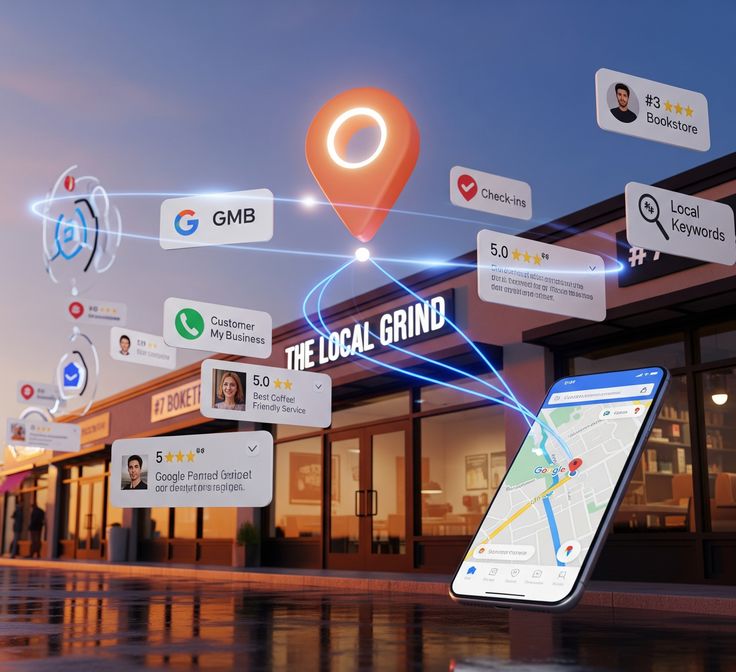
A successful local SEO plan involves optimising both your website and your business listings. This includes setting up and managing your Google Business Profile (formerly Google My Business), collecting reviews, and ensuring consistent Name, Address, and Phone (NAP) data across all platforms.
Key components include:
- Optimising on-page elements like title tags, meta descriptions, and schema markup with location-based keywords.
- Building local backlinks from nearby businesses, news outlets, or community blogs.
- Managing online reviews influences both ranking and trustworthiness.
- Creating locally relevant content such as event guides, community posts, or neighbourhood features.
Local SEO is all about relevance and proximity. If your startup serves a specific region, dominating local search results is the fastest way to establish credibility and generate revenue early.
The Middle Ground: National SEO
Once your startup begins gaining traction locally, you might start thinking bigger, expanding across multiple cities or the entire country. That’s where national SEO comes in.
National SEO focuses on broader keywords without geographic limits. Instead of targeting “café in Bangalore”, you might optimise for “best café chain in India.” The competition here is tougher, but the visibility potential is much greater due to the vastness.
Unlike local SEO, national SEO prioritises content quality, backlink authority, and brand reputation more than proximity. You’ll need to build topical authority and publish high-quality, value-driven content to compete with larger brands.
The key challenge in national SEO is standing out in crowded search landscapes. Startups that succeed here are those that have first mastered local SEO using their community-driven success as a stepping stone toward national recognition.
Expanding Horizons with Global SEO
When a startup’s ambitions go beyond borders, and they have completely conquered the first two steps in the growth spectrum and are ready to face the world now, it’s time to embrace global SEO. This approach is designed to target audiences across different countries, languages, and cultures.
Unlike local SEO vs global SEO, the global approach demands a broader perspective. It’s not just about optimising for Google India or the U.S., but also for regional search engines like Baidu (China), Yandex (Russia), or Naver (South Korea).
The complexity of global SEO lies in its technical depth.
You need to:
- Implement hreflang tags to help Google understand which version of your page to show in which region.
- Optimise content for multilingual keywords and cultural nuances.
- Use region-specific hosting and domain structures (like .in, .uk, or .com).
- A strong global SEO strategy can make your startup truly international. However, it requires careful planning, consistent content localisation, and robust site architecture.
Local SEO vs Global SEO: The Core Differences
While both strategies share the same foundation of visibility and relevance, the way they operate differs entirely. The main distinction between local SEO vs global SEO is audience targeting and scale.
For most startups, starting with local SEO is the smartest move. It allows you to establish authority in your niche, gain customer trust, and collect valuable feedback before expanding. Once your foundation is strong, transitioning into global SEO becomes easier and more effective with Clicks Gorilla.
How to Choose the Right SEO Path for Your Startup
Every business is unique, and so is its SEO journey. The best approach depends on your industry, target audience, and resources.
Ask yourself:
- Do you serve customers physically within a city or region? → Go with local SEO.
- Are your services available nationwide through e-commerce or delivery? → Focus on national SEO.
- Are you targeting audiences across different countries or languages? → Invest in global SEO.
Many startups begin with local SEO for businesses, build credibility, and slowly evolve their strategies to include national and international reach. The scalability of SEO makes it possible to expand seamlessly as long as your content, technical structure, and brand reputation evolve with it.
Blending On-Page and Off-Page Optimisation

Regardless of your chosen approach, balancing on-page SEO vs off-page SEO is an essential aspect for expansion. On-page elements such as title tags, internal links, and keyword placement help search engines understand your site. Off-page elements, such as backlinks and social signals, enhance authority and credibility.
For local SEO, this means using location-specific schema and acquiring backlinks from local news sources. Global SEO involves building multilingual link networks and optimising for international domains.
A perfect SEO strategy harmonises both sides of optimisation while maintaining a strong brand voice.
The Benefits of Getting It Right
When implemented correctly, SEO offers compounding returns. The benefits of local SEO for startups are especially powerful because they deliver quick wins in visibility, credibility, and conversions.
As you scale, transitioning to national and global SEO opens up exponential growth opportunities.
You gain:
-
Consistent organic traffic from multiple regions.
-
Stronger brand awareness and trust signals.
-
Reduced dependency on paid ads.
But the real advantage lies in adaptability. Mastering local SEO gives you the flexibility and data insights to make smarter global decisions later on.
The Future of SEO: Local to Global Evolution
The future of SEO lies in adaptability and personalisation. Algorithms are becoming smarter, understanding user context and intent better than ever before. This means the lines between local SEO and global SEO are slowly blurring.
Voice search, hyperlocal targeting, and AI-driven personalisation are already reshaping how startups reach audiences. No matter how advanced search engines become, one truth remains: relevance will always win.
For startups, this means beginning locally, learning deeply, and expanding strategically. The best SEO strategy isn’t about choosing one over the other; it’s about knowing when to shift focus.