Table of Contents
- Understanding the Pros of Social Networking
- What Defines Good Social Media Practices
- How to Create a Social Media Strategy That Works
- Social Media Best Practices in 2026 for Maximum Engagement
- Building a Marketing Plan Using Social Media
- Measuring Success Through Analytics
- Social Media Best Practices Checklist
- SMM Marketing and Its Role in Modern Strategy
- The Future of Social Media Marketing
- Conclusion
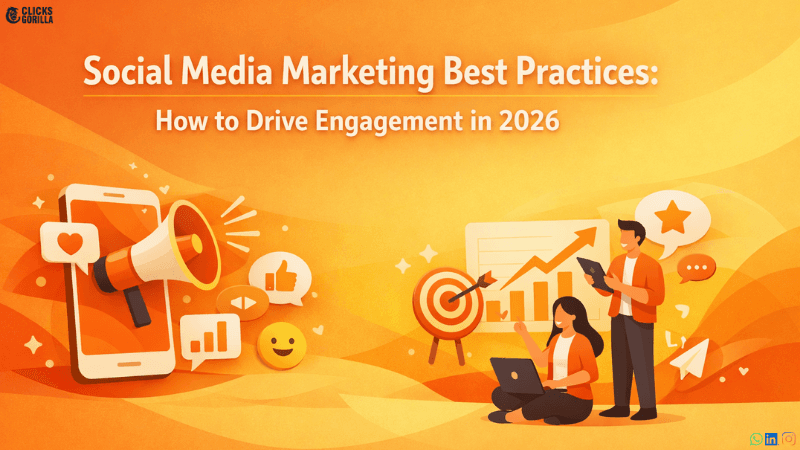
Social media has evolved into a powerful marketing arena where creativity, timing, and consistency can make or break a brand. In today’s digital-first environment, understanding the pros of social networking goes beyond gaining followers. It’s about building relationships, fostering community trust, and creating conversations that drive measurable results.
As 2026 continues to reshape user behaviour and content algorithms, following good social media practices becomes essential for brands that aim to stand out in an increasingly competitive space. For many businesses, this complexity necessitates partnering with a specialised Paid Social Advertising Services Company in India to navigate the changing landscape effectively.
With attention spans getting shorter, brands that blend authenticity with entertainment are seeing the best outcomes. This makes it vital for marketers to adopt updated best social media practices that align creativity with data, a strategy often championed by forward-thinking agencies like Clicks Gorilla.

Understanding the Pros of Social Networking
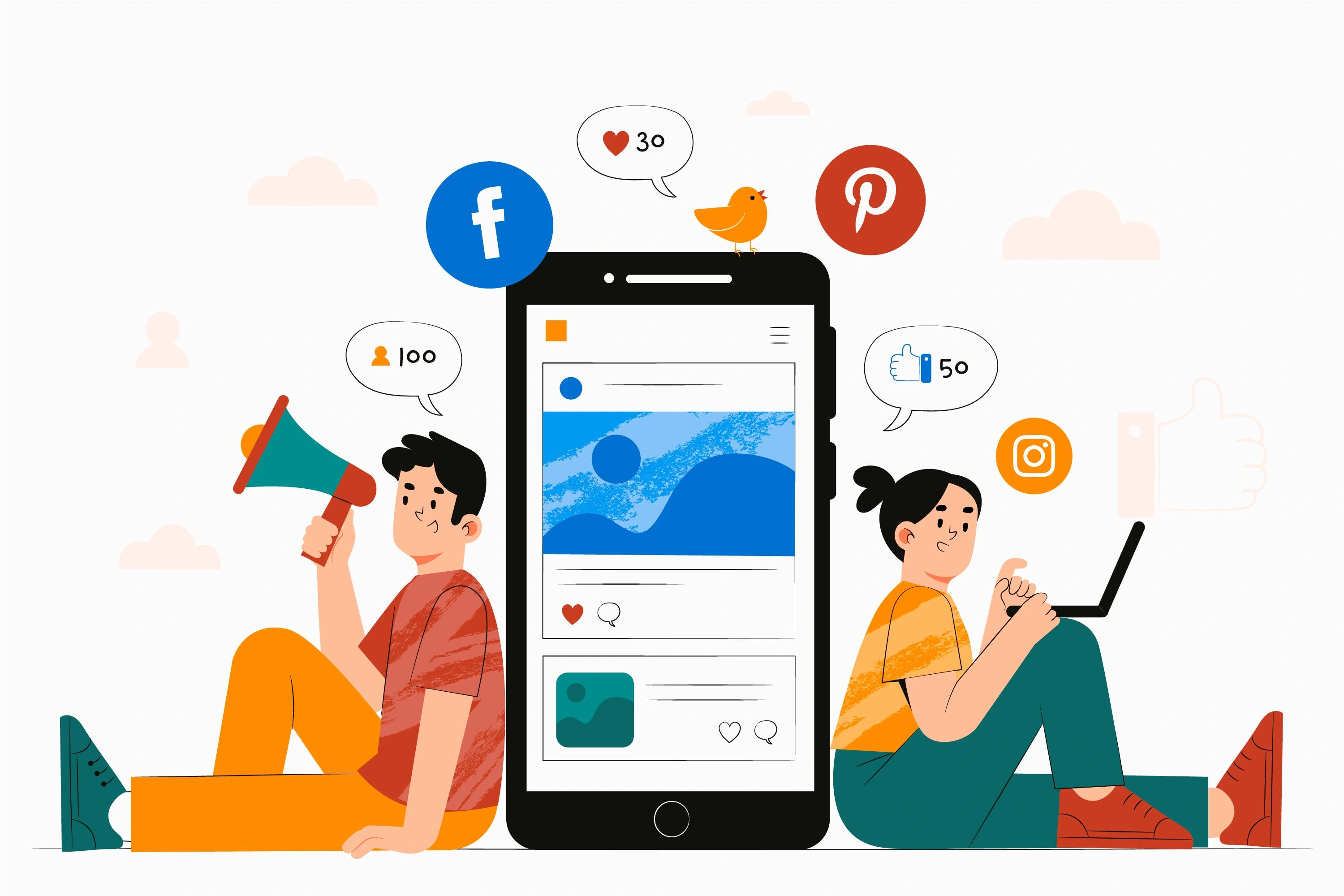
Before we can get into the strategies, it is important to know what the pros about social networking are all about. Social channels like Instagram, LinkedIn, YouTube, and TikTok are not just places to interact; they are also direct marketing engines. These platforms have allowed brands to engage with audiences in real time and create emotional connections through conversations and visuals.
When used properly, the pros of social networking include a wider brand reach, faster customer feedback, and a cheaper reach than traditional forms of advertising. Given these advantages, social media are now considered a key pillar of today’s modern marketing campaigns. By building human connections with customers, trust can be generated, which directly correlates to loyalty and conversions.
Brands that practice good social media can also benefit from analytics, creating further insight to adjust strategies on the go. Social networking platforms can allow businesses to humanise their brands, while still working towards achieving commercially driven goals, and still feeling personable and approachable through community management and trend analysis.
What Defines Good Social Media Practices
In 2026, good social media practices revolve around consistency, clarity, and creativity. Simply posting content is no longer enough. Platforms reward meaningful engagement, authentic storytelling, and active community interaction.
These practices include:
- Consistent posting schedules that align with user activity peaks
- Interactive formats such as polls, live streams, and quizzes
- Authentic visuals that represent your brand personality
The difference between success and failure lies in whether your content feels real and useful. Adopting social media best practices in 2026 means knowing what your audience values and delivering it in their preferred format. For example, Gen Z prefers raw, relatable content, while professional audiences lean toward informative posts.
A well-structured social media strategy ensures that every post contributes to broader marketing objectives. This strategic alignment is what separates random posting from purposeful brand storytelling.
How to Create a Social Media Strategy That Works
Developing an effective strategy for social media requires clear goals. Whether your goal is brand awareness, lead generation, or engagement, every step taken should reflect results that can be measured. Marketers should know how to establish a distinct voice and tone for their brand while retaining overall continuity, regardless of social media platform.
During the planning process, you can identify the following:
- Research your audience demographics, interests, and behaviours.
- Identify the platforms that the audience uses most.
- Determine metrics such as reach, engagement rate, and conversions.
Knowing how to create a social media strategy helps brands solidify their workflow and to parallel content calendars and campaign goals. It also streamlines creative processes and is helpful when reviewing program performance.
You may also want to develop an example of your social media strategy as part of your planning process; the example could be a plan for a fashion retailer that focuses on influencer collaborations and behind-the-scenes reels, as opposed to an educational program for a SaaS brand that focuses on articles tied to LinkedIn.
Providing benchmarks informs the creative process, ensures your audience is aligned with your marketing outcomes, and provides structure.
Social Media Best Practices in 2026 for Maximum Engagement
To embrace best practices for social media in 2026, you will need more flexible manoeuvres. Algorithms are still mostly favouring updated and current content while leaning toward more engagement and community-focused. Video is here to stay, and brands that can provide entertainment and education will always outperform brands that only post the same static type content.
When thinking about engagement, there are a few things to consider:
- If your content is intended to be viewed and consumed on mobile first.
- If you are quick to respond to comments and messages, this will encourage engagement.
- Other users should feel their content is used and integrated into your feed/content enough to have more authenticity.
The pros of social networking include the development of social commerce, where customers can shop through social networking. Social Platforms, mainly TikTok and Instagram, are beginning to allow users to shop through engagement, blurring the lines of discovery and purpose for their network.
If your social media posts follow a similar tone or storytelling device throughout all posts, it keeps the user connected to your overall tone of voice. Following good social media practices allows brands to stay relatable through social media with a professional tone. The more meaningful your content is, the more likely it is to be shared, bookmarked, and saved your content.
Building a Marketing Plan Using Social Media
Any successful brand takes a structured marketing approach to social. A structured marketing strategy includes content creation, engagement, paid ads, and analytics - all of which come together in one plan. A uniform structure helps maintain the brand message while being sensitive to the unique elements of each platform.
For instance, on TikTok, a heavily video-driven platform, audiences expect humour and participation in trends. In contrast, LinkedIn audiences are there for expertise and thought leadership. Each platform delivers a variable aspect to your marketing mix, and understanding that difference is a fundamental piece of social media best practice in 2026.
As you build your social media plan, remember that when it comes to audiences, it is not just about the content, but the time and place. The audience approach can differ based on current trends, holidays, or going viral. Leaving your content calendar open provides you and your brand the possibility of prompt interaction while still maintaining unity.
Measuring Success Through Analytics

Analytics is the backbone of every successful social media strategy. Social platforms provide grounds for insights into audience behaviour, reach, and conversions. These insights are used to improve campaigns in the future by analysing what works and what doesn’t.
One example of a social media strategy organises regular tracking of engagement metrics, such as click-through rates, shares, saves, and overall sentiment. This helps you better understand what sort of storytelling resonates best with your audience.
Brands with a strong emphasis on analytics combine it with content testing. They test out different content formats, messaging styles, and hashtags to identify what consistently produces the best ROI. While analysing, marketers can find a way to turn insights into action and build momentum throughout campaigns.
Social Media Best Practices Checklist
- Define your core audience segments clearly.
- Maintain consistent brand tone and posting schedule.
- Prioritise engagement and community over follower count.
These steps align with good social media practices and reflect the evolving pros about social networking that drive long-term growth.
SMM Marketing and Its Role in Modern Strategy
SMM marketing is critical in bridging paid and organic efforts. Paid campaigns boost reach while organic engagement nurtures loyalty. A balanced approach prioritises visibility across all segments of your audience and builds your brand authority.
Paid ads combined with organic content develop full-funnel engagement. The social media promotion strategy should move users along from discovery to conversion while building trust. The orchestration of advertising and engagement with your community is what defines the new future of digital engagement.
Robust planning and execution are critical. The disciplined process of planning social media integration of creativity, data, and automation tools you need to efficiently deliver campaigns and build continual engagement.
The Future of Social Media Marketing
In the future, personalisation through AI, as well as immersive experiences, will shape how users interact with brands online. Social media best practices in 2026 will rely on smart automation, contextual advertising and user-driven creativity. Brands that are attuned to the pros and cons of social engagement from both a human and data perspective will gain more visibility and trust.
Engagement will depend on authenticity, while short-form video continues to grow, and community translates into niches. Stories, education and creativity will earn the trust of consumers in commerce and social engagement more than trends and chasing a trend will.
Working with an expert, such as search engine optimisation services or digital marketing, can help to improve this and provide useful content that maximises entertainment value and converts views. Even bridging this gap through SEO and social media can optimise visibility across search and social ecosystems.
Conclusion
In 2026, succeeding in social media is grounded in authenticity, consistency, and audience understanding. The benefits of social media go beyond clicks and shares, as the focus is on loyalty, relationships, and revenue generation. When a business adopts good social media practice, a brand can develop relevant, human-centred experiences to fulfil audience expectations.
When we start adapting best social media practices, it can also be an ongoing educational experience of trying, testing, and pivoting. Marketers who clearly invest in deliberate storytelling, robust analytics, and purposeful community management will flourish.
A strong social media strategy integrates creativity and purpose and serves to grow a brand responsibly and consistently. Whether through organic reach or through social media marketing (SMM), the right social media promotion strategy can ensure a brand connects.
Further, with a cohesive social media planning practice, every brand can curate meaningful digital experiences, inspire engagement, build community, and ultimately set up a success framework for themselves.